
Why Thousands of Homeowners Are Switching to Solar in 2026
Why Thousands of Homeowners Are Switching to Solar in 2026
Energy bills are at record highs. Across the UK, Canada, Australia, Germany, Scandinavia, and beyond, millions of households are watching their electricity costs climb month after month - with no end in sight. But something is changing. A quiet revolution is underway, and it's happening on rooftops everywhere. In 2026, solar energy is no longer just for eco-warriors or the wealthy. It's become the single smartest financial move an ordinary homeowner can make - and the numbers prove it.
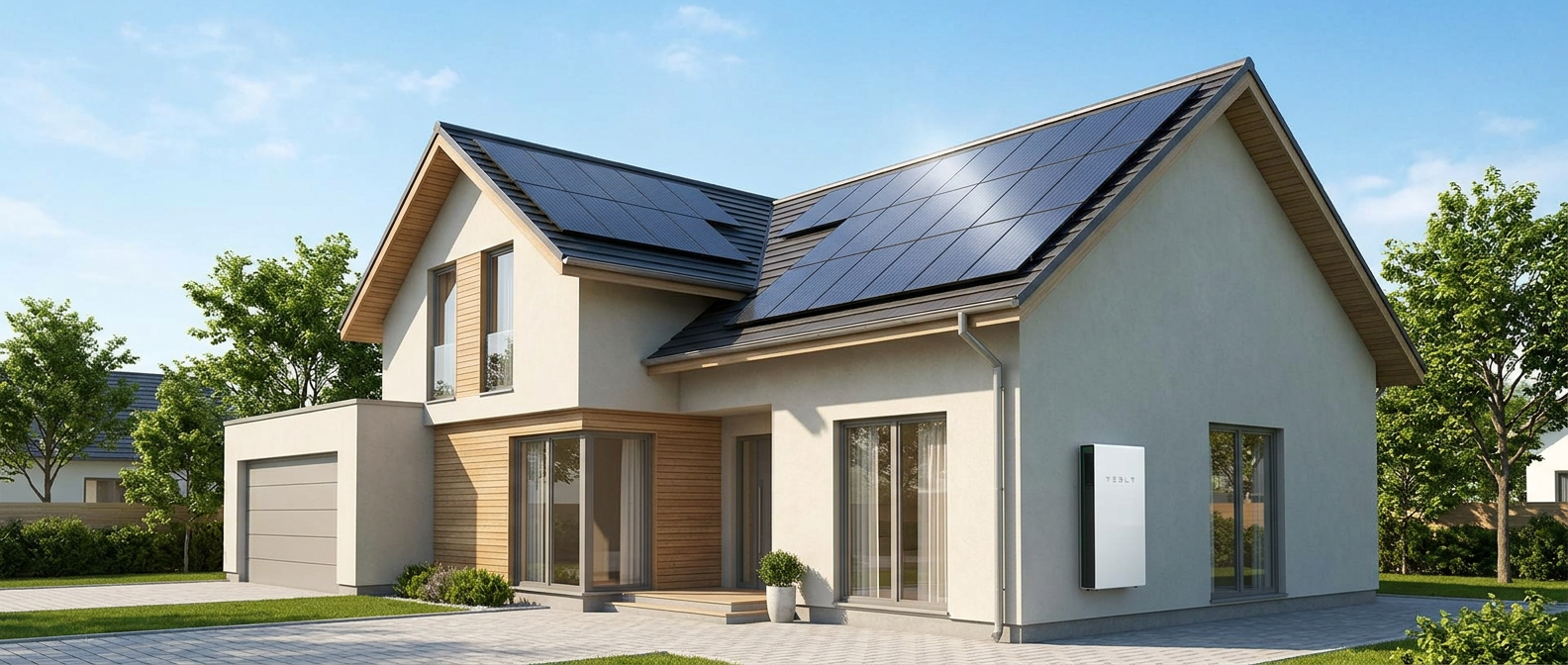
The Old Way of Paying for Power Is Broken
For decades, the deal was simple: you use electricity, you pay whatever the utility company charges. No alternatives, no negotiation, no escape.
But that "take it or leave it" model is starting to collapse. Grid electricity prices have surged dramatically over the past three years due to geopolitical instability, ageing infrastructure, and rising demand. The average household now spends significantly more on electricity than it did just five years ago.
The frustrating reality? You're paying more for the same service - and the utility companies are not suffering for it.
What's Actually Driving the Solar Boom in 2026
This isn't just about saving the planet (though that matters too). The solar surge happening right now is overwhelmingly driven by cold, hard economics.
- Panel prices have dropped dramatically. Solar technology has become significantly more affordable over the last decade, making residential installations accessible to far more households.
- Next-generation panels are more efficient than ever. New perovskite tandem and bifacial solar cells are pushing panel efficiency to 24-28%, meaning you generate more power from the same roof space.
- Payback periods have shrunk. In many countries, homeowners are recouping their installation costs in as little as 4 to 7 years - and then generating essentially free electricity for the following 15 to 20 years.
- Government incentives are still widely available. Many countries continue to offer tax rebates, grants, and zero-VAT schemes to make going solar even more financially attractive.
Solar + Battery: The Combination Changing Everything
Installing solar panels alone is powerful. But pairing them with a home battery storage system? That's a complete game-changer.
In 2026, the solar-plus-storage setup has become the new standard. Here's why:
- You store the energy your panels produce during the day and use it at night - eliminating your reliance on the grid almost entirely.
- You're protected from peak-hour electricity pricing, which is when utility rates are at their highest.
- During grid outages or disruptions, your home keeps running normally - a benefit that's become increasingly valued in recent years.
- Any surplus energy you generate can often be sold back to the grid, creating an additional income stream.
Homeowners who have made this switch report monthly electricity bills reduced by 50% to over 80%. For many, the grid bill has dropped to near zero.
Real People, Real Results
The stories emerging from households that have made the switch are remarkably consistent.
"I was sceptical at first. But after the first full year with panels and a battery, I saved more than I expected. The system is essentially paying for itself." - Homeowner, South England
"The installation was quicker than I thought, and the app that monitors the system is incredibly satisfying to watch. I actually look forward to sunny days now." - Homeowner, New South Wales, Australia
"We compared several quotes and went with a mid-range system. Within two years, the savings were already noticeable on our monthly budget." - Homeowner, Ontario, Canada
These aren't anomalies. They reflect a pattern seen across thousands of households in English-speaking countries, Germany, and Scandinavia alike.
5 Things to Consider Before You Install
Solar isn't a one-size-fits-all solution. Before you commit, here's what smart homeowners research carefully:
- Your roof's orientation and shading. South-facing roofs (in the northern hemisphere) and north-facing roofs (in the southern hemisphere) produce the most energy. Shading from trees or nearby buildings can significantly impact output.
- System size vs. your actual consumption. Bigger isn't always better. The right system size depends on how much electricity your household uses.
- Installer reputation and certifications. The quality of your installation matters enormously. Always verify that your installer is certified and has verifiable reviews.
- Available incentives in your country or region. Rebates, grants, and feed-in tariffs vary significantly by location. Researching what's available can save you thousands.
- Battery options and compatibility. Not all batteries are created equal. Capacity, warranty, and compatibility with your chosen panels and inverter all matter.
The Smart Grid and AI: Solar Is Getting Even Smarter
One of the most exciting developments in 2026 is the integration of artificial intelligence with home solar systems. Modern smart inverters now use AI to automatically optimise how your energy is used.
The system "learns" your household's energy patterns and makes real-time decisions - whether to charge your EV, heat your water, power your appliances, or store energy for later. The result is maximum efficiency with zero manual management required from the homeowner.
This isn't science fiction. It's the standard offering from many leading solar providers right now.
Is 2026 the Right Time to Go Solar?
Every year, there's a debate: "Should I wait for even cheaper panels?" The honest answer from energy analysts is consistent - the best time to install is when the combined benefit of savings and incentives makes financial sense. And in 2026, that window is wide open.
Electricity prices are not going down. Panel technology is already highly mature. Incentive programmes in many countries are gradually being phased down as adoption rises. Waiting may mean paying more - both for electricity and for a future installation.
The homeowners who acted 5 years ago are already enjoying essentially free electricity. The homeowners acting now are setting themselves up for the same outcome by 2031.
What You Should Look Into Next
While the overview above applies broadly across markets, the specifics that matter most to your decision - installer options, current pricing, available grants, and local feed-in tariffs - are highly dependent on your country and region.
The most effective next step is to search for current solar installation offers, certified local providers, and up-to-date incentive schemes available in your area. The difference between a good solar deal and a great one often comes down to how well-informed you are before making contact with any supplier.
Solar energy is no longer a luxury or a lifestyle statement. It's a financial decision - and in 2026, it's one of the clearest, most well-supported decisions a homeowner can make. The technology is proven, the economics are compelling, and the tools to find the right solution for your specific home have never been more accessible. Start exploring your options today.