
What Really Causes Neuropathy in Seniors?
If you or someone you love has been experiencing burning feet at night, strange tingling in the hands, or unexplained balance problems - you are far from alone. These are classic signs of peripheral neuropathy, a condition that affects a large portion of older adults. Understanding why it happens is the first step toward managing it effectively. This guide breaks down the most common causes, warning signs, and what seniors can do about it.
What Exactly Is Neuropathy?
Neuropathy - specifically peripheral neuropathy - occurs when the nerves outside the brain and spinal cord become damaged or stop functioning properly. These nerves are responsible for sending signals related to pain, touch, temperature, and muscle movement throughout the body.
When they're damaged, those signals get distorted. The result is a confusing mix of pain where there shouldn't be any, and numbness where sensation is needed most. For seniors, this can significantly impact daily life, mobility, and independence.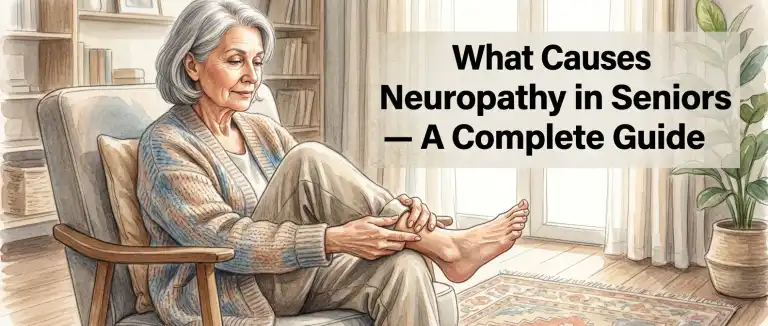
The Most Common Causes in Older Adults
In seniors, neuropathy is rarely caused by one single factor. In many cases, multiple contributing conditions are present at the same time. Here are the most frequently identified causes:
- Diabetes: Diabetic peripheral neuropathy is the leading cause in older adults. Chronically elevated blood sugar gradually damages the small blood vessels that supply nerves with oxygen and nutrients.
- Vitamin B12 Deficiency: B12 is essential for maintaining the protective myelin sheath around nerves. As we age, the body absorbs B12 less efficiently, making deficiency extremely common - and a direct cause of nerve damage.
- Medication Side Effects: Seniors often take multiple prescriptions simultaneously. Certain chemotherapy drugs, long-term antibiotics, and some heart medications are known to be toxic to peripheral nerves over time.
- Poor Circulation & Vascular Disease: Reduced blood flow starves nerves of the oxygen they need to stay healthy, eventually leading to nerve cell deterioration.
- Autoimmune Disorders: Conditions like rheumatoid arthritis, lupus, or Sjögren's syndrome can cause the immune system to mistakenly attack nerve tissue.
- Kidney or Liver Disease: When these organs are not filtering the body properly, toxic substances can build up and damage peripheral nerves.
- Underactive Thyroid (Hypothyroidism): Untreated or poorly managed hypothyroidism leads to fluid retention that puts pressure on nerves.
- Idiopathic Neuropathy: In a significant portion of seniors, no identifiable cause is found. This is known as idiopathic neuropathy and is more common than most people realize.
Early Warning Signs - What to Watch For
Neuropathy symptoms typically begin gradually, which is one of the reasons so many seniors dismiss them as "just getting older." The earliest signs usually appear in the feet and toes first, then slowly move upward. Key symptoms include:
- A persistent tingling or "pins and needles" sensation in the feet or hands
- Burning pain - especially at night - in the soles of the feet
- Numbness that makes the feet feel thick, heavy, or like they're wearing invisible socks
- Difficulty sensing temperature or feeling cuts and blisters on the feet
- Sudden sharp, stabbing, or electric-shock-like sensations
- Muscle weakness in the legs, ankles, or hands
- Balance and coordination problems - a major risk factor for falls
These symptoms can range from mildly irritating to severely disabling. The key takeaway: early detection makes a meaningful difference in how the condition progresses.
Understanding the Different Types of Neuropathy
Not all neuropathy is the same. Doctors classify it based on which type of nerve is affected and where the damage occurs:
- Peripheral Neuropathy: The most common type in seniors, affecting nerves in the feet, legs, hands, and arms.
- Autonomic Neuropathy: Affects the nerves controlling involuntary body functions - like heart rate, digestion, and bladder control.
- Proximal Neuropathy: Causes pain and weakness in the thighs, hips, or shoulders. More frequently associated with type 2 diabetes.
- Focal Neuropathy: Damage to a single, specific nerve - such as carpal tunnel syndrome in the wrist.
Getting an accurate diagnosis helps doctors identify which nerves are involved, which in turn guides treatment decisions.
Why Neuropathy Is Often Misdiagnosed in Seniors
One of the most challenging aspects of neuropathy in older adults is that many symptoms overlap with other age-related conditions. Foot pain might be attributed to arthritis. Balance issues might be chalked up to general aging. Numbness might be dismissed as poor circulation.
This is why many cases go undiagnosed - or are caught much later than ideal. A proper evaluation typically involves a physical and neurological examination, blood tests to check for diabetes, B12 levels, thyroid function, and kidney health, as well as nerve conduction studies or electromyography (EMG) to measure how well the nerves are working.
Can Neuropathy Be Managed or Slowed?
The short answer: yes - but it depends on the underlying cause and how early treatment begins.
When a specific cause is identified, treating that root condition is always the first priority. For example:
- Controlling blood sugar levels in diabetics can prevent further nerve damage from progressing.
- Correcting a B12 deficiency through supplementation or injections can reverse early nerve damage in some cases.
- Adjusting or changing medications that are causing nerve damage can halt the progression.
Beyond treating the underlying cause, a combination of approaches is typically used to manage symptoms and improve quality of life:
- Physical Therapy: Exercises designed to restore balance, strengthen muscles, and improve circulation to the extremities.
- Foot Care Routines: Daily inspection of the feet is essential for seniors with neuropathy who may not feel injuries forming.
- Dietary Changes: An anti-inflammatory diet rich in B vitamins and antioxidants can support nerve health.
- Pain Management: This ranges from topical treatments to prescribed medications - each with their own risk and benefit profile for older adults.
The Search for the Right Information Matters
Neuropathy in seniors is a deeply personal experience. The symptoms vary. The causes vary. And importantly, what helps one person may not help another. Whether the concern is about a specific type of neuropathy, relief options, how to talk to a doctor, or understanding test results - having access to the right, specific information makes a genuine difference.
Because neuropathy management often depends on individual health history, location, access to specialists, and specific symptoms, exploring more targeted resources is a natural and important next step for many seniors and their families.
A Condition Worth Taking Seriously
Neuropathy in seniors is not simply an inconvenience. When left unaddressed, it can lead to falls, infections, and a significant loss of independence. But with awareness, early diagnosis, and the right combination of medical care and lifestyle adjustments, many older adults are able to maintain their quality of life effectively. The more informed you are about what's happening in the body and why, the better equipped you are to have meaningful conversations with healthcare providers and explore the options that are right for your situation.