
Understanding Ulcerative Colitis: A Complete Guide
Living with a chronic digestive condition can feel isolating and confusing. Ulcerative colitis (UC) affects millions of people worldwide, yet it is still widely misunderstood - even by those who have it. Whether you were recently diagnosed, supporting a loved one, or simply trying to make sense of persistent digestive symptoms, this guide breaks down everything you need to know in plain language.
What Is Ulcerative Colitis?
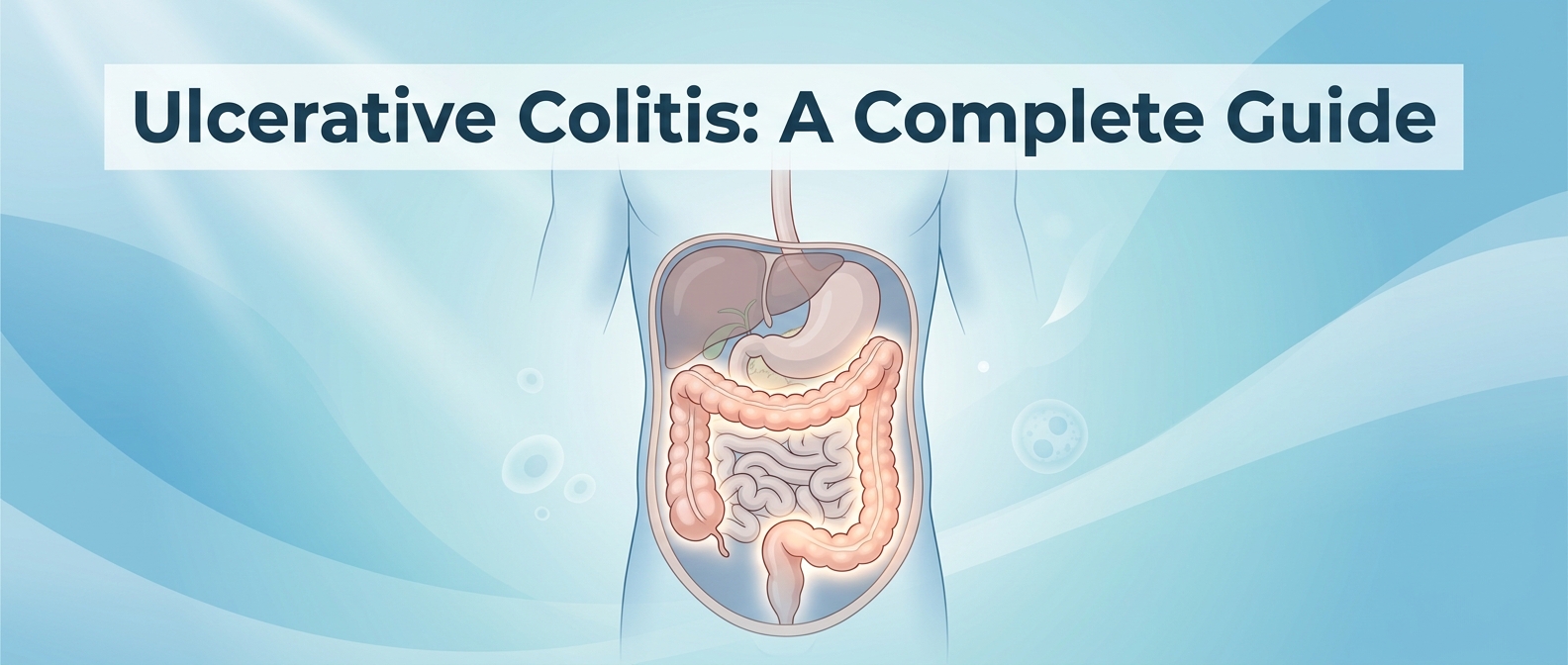
Ulcerative colitis is a chronic inflammatory bowel disease (IBD) that causes long-lasting inflammation and ulcers in the innermost lining of the large intestine (colon) and rectum. Unlike Crohn's disease - which can affect any part of the digestive tract - UC is confined specifically to the colon and rectum.
There is currently no cure for ulcerative colitis. However, with the right treatment plan, many people achieve deep remission, meaning the bowel heals completely and symptoms disappear for extended periods.
Recognizing the Symptoms
Symptoms of UC can range from mild to severe and tend to cycle between active flare-ups and periods of remission. The extent of inflammation in the colon largely determines how severe symptoms are.
Common gastrointestinal symptoms include:
- Chronic diarrhea, often containing blood or mucus
- Abdominal cramping and pain, typically worse during flare-ups
- A frequent and urgent need to use the bathroom
- Rectal bleeding and pain
- Inability to pass stool despite persistent urgency
Whole-body symptoms can also appear:
- Persistent fatigue and weakness
- Unintended weight loss and reduced appetite
- Anemia caused by chronic blood loss
- Low-grade fever during active flares
- In children, delayed growth and development
What Causes Ulcerative Colitis?
The exact cause of UC remains unknown. However, researchers understand it as a combination of several interacting factors:
- Immune system dysfunction: The body mistakenly attacks healthy cells in the digestive tract, causing persistent inflammation.
- Genetics: Having a close family member with UC or Crohn's disease notably increases your risk.
- Gut microbiome imbalances: Disruptions in the natural bacteria living in the gut are believed to trigger or sustain the abnormal immune response.
- Environmental factors: While diet and stress do not cause UC, they are recognized as factors that can worsen existing symptoms or trigger flare-ups.
How Is Ulcerative Colitis Diagnosed?
Diagnosis typically involves a combination of approaches. A gastroenterologist will usually start with a detailed medical history and physical examination, followed by blood and stool tests to check for signs of inflammation or infection.
A colonoscopy is the gold standard for diagnosis. It allows the doctor to directly examine the lining of the colon, identify areas of inflammation, and take tissue biopsies for lab analysis. Imaging tests like CT scans or MRIs may also be used to assess the extent of inflammation.
Treatment Options: From Conventional to Cutting-Edge
Treatment is highly individualized and depends on the severity of the disease and how much of the colon is affected. The goal of modern UC care has shifted from simply managing symptoms to achieving complete bowel healing - known as endoscopic remission.
Conventional therapies remain the first line of treatment for mild-to-moderate cases:
- Aminosalicylates (5-ASAs): Anti-inflammatory medications like mesalamine that reduce inflammation in the colon lining.
- Corticosteroids: Fast-acting drugs used short-term to control severe flare-ups. Due to significant long-term side effects, they are not suitable for ongoing use.
- Immunomodulators: Medications like azathioprine that broadly suppress immune system activity to reduce inflammation.
Advanced biologics and targeted therapies are used when conventional treatments are not enough:
- IL-23 inhibitors: A newer class of biologics that target specific proteins driving gut inflammation. Options in this category include guselkumab, mirikizumab, and risankizumab, all of which have shown strong effectiveness with favorable safety profiles.
- JAK inhibitors: Oral pills such as upadacitinib that block inflammation pathways quickly. These are increasingly being prescribed earlier in the treatment process for certain patients.
- Integrin receptor antagonists: Medications like vedolizumab that target gut-specific inflammation without suppressing the entire immune system.
- S1P receptor modulators: Oral medications that prevent certain immune cells from reaching the colon to trigger inflammation.
Surgery may be considered when medications fail or complications arise. Approximately 25-30% of people with UC eventually require a colectomy (removal of the colon and rectum). Because UC is confined to the colon, surgery can effectively resolve the disease - though it requires either an external ostomy bag or an internal J-pouch to manage waste.
Managing Daily Life With Ulcerative Colitis
Medication is essential for healing the bowel, but lifestyle choices play a significant role in day-to-day wellbeing. Here are some practical strategies that many UC patients find helpful:
- Dietary adjustments: There is no single "UC diet," but eating smaller, more frequent meals often helps. During flare-ups, it is generally advisable to reduce high-fiber foods, spicy dishes, dairy, caffeine, and alcohol.
- Stress management: Stress is a well-known trigger that can worsen gut function and spark flare-ups. Practices such as yoga, meditation, and cognitive behavioral therapy (CBT) are widely recommended.
- Regular monitoring: Staying in close contact with a gastroenterologist and attending scheduled check-ups ensures that your treatment plan is working and complications are caught early.
- Support networks: Connecting with others who have UC - whether through local groups or online communities - can provide emotional support and practical advice that is hard to find elsewhere.
Potential Complications of Untreated UC
When UC is not adequately managed, it can lead to serious health complications over time:
- Toxic megacolon: A rare but life-threatening condition where the colon rapidly dilates and risks rupturing.
- Colon cancer: Chronic, uncontrolled inflammation increases the long-term risk of colorectal cancer, which is why more frequent colonoscopy screenings are recommended for UC patients.
- Bone loss (osteoporosis): A potential side effect of long-term corticosteroid use or poor nutrient absorption.
- Extra-intestinal manifestations: Inflammation can spread beyond the gut, affecting the joints, skin, and eyes.
When Should You Speak to a Doctor?
If you are experiencing persistent diarrhea with blood, significant abdominal pain, unexplained weight loss, or extreme fatigue, it is important to consult a healthcare provider. For those already diagnosed with UC, any change in symptoms - including more frequent flare-ups, increased urgency, or ongoing bleeding - warrants a conversation with your gastroenterologist.
The current consensus in gastroenterology is clear: people with UC should not have to simply "live with" ongoing symptoms. With a broad range of available treatments, achieving remission and maintaining a good quality of life is a realistic and attainable goal.
Finding the Right Information for Your Situation
Ulcerative colitis is not a one-size-fits-all condition. Its severity, affected areas, and response to treatment vary widely from person to person. What works well for one individual may not be the right approach for another. Factors such as disease location, duration, age, and overall health all influence which treatment path makes the most sense.
If you want to explore specific treatment approaches, understand how UC compares to other IBD conditions, or find out what gastroenterologists recommend for particular types of UC, searching for more targeted information is a natural next step. Topics like "ulcerative colitis treatment options," "IBD specialist near me," or "ulcerative colitis diet plan" can help you find guidance that is tailored to your individual circumstances.
Moving Forward With Knowledge
Understanding ulcerative colitis is the foundation of managing it effectively. The more informed you are about your condition - its triggers, treatment options, and long-term outlook - the better equipped you are to have productive conversations with your healthcare team and make decisions that genuinely improve your quality of life. Research in this field is advancing steadily, and staying informed keeps you connected to the possibilities that modern medicine continues to open up.