
The Complete Guide to Swimwear Brand Monitoring
Your swimwear brand has a reputation - and that reputation is being shaped online every single day. Customer reviews, social media mentions, competitor moves, and trend shifts are all happening in real time. Whether you're a boutique label or an established name, knowing what's being said about your brand - and your market - is what separates reactive businesses from strategic ones. This guide walks you through everything you need to know about swimwear brand monitoring and why it matters more than ever.
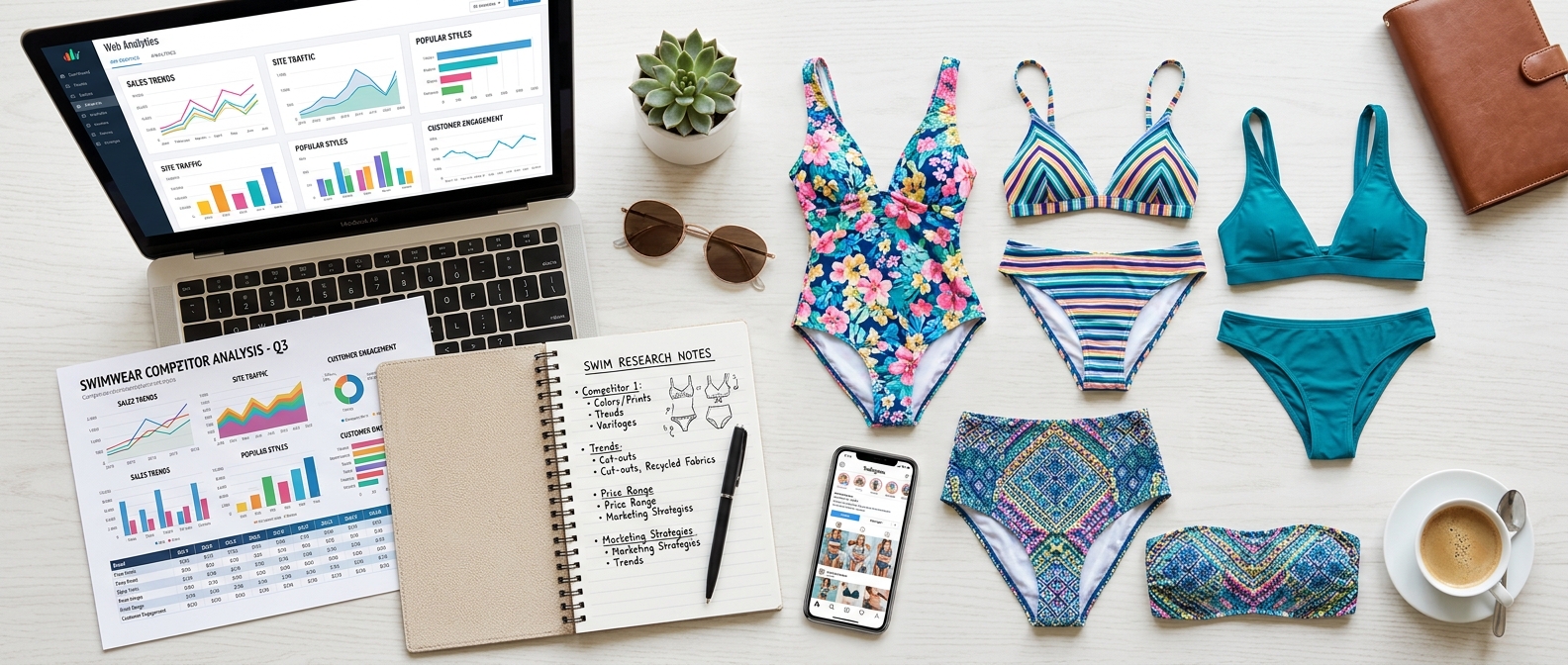
What Is Brand Monitoring and Why Does It Matter for Swimwear?
Brand monitoring is the practice of tracking mentions, sentiment, and conversations about your brand across digital channels. For swimwear businesses, this includes social media platforms, fashion blogs, review sites, retail listings, and search engines.
The swimwear industry is highly seasonal and trend-driven. A single viral post or a negative review during peak season can meaningfully impact sales. Staying on top of what people are saying - and what competitors are doing - helps you make faster, smarter decisions.
What to Track: The Core Monitoring Categories
Effective brand monitoring covers more than just your own name. Here are the key areas to watch:
- Brand mentions: Direct tags, hashtags, and name drops across Instagram, TikTok, Pinterest, and X (formerly Twitter).
- Product reviews: Feedback on your own site, Amazon, Google Shopping, and third-party retailers.
- Competitor activity: New launches, promotions, influencer partnerships, and customer complaints about rival brands.
- Industry trends: Emerging styles, fabrics, body-inclusivity conversations, and sustainability demands.
- Search visibility: How your brand ranks for relevant keywords versus competitors.
Social Media: The Frontline of Swimwear Conversations
Swimwear is an intensely visual category, which makes social platforms its natural home. Instagram and TikTok are where brand perception is built and challenged daily. Monitoring these channels gives you a real-time pulse on how customers feel about your designs, sizing, quality, and brand values.
Look beyond direct mentions. Track your branded hashtags, style-related hashtags (like #swimwearstyle or #sustainableswimwear), and even competitor hashtags to identify unmet needs and opportunities in the market.
Review Sites and Customer Feedback Loops
Online reviews are one of the most trusted forms of social proof. For swimwear, common themes in reviews include fit accuracy, fabric quality, color representation, and shipping experience. Monitoring these consistently helps you spot patterns before they become bigger issues.
Make it a habit to:
- Respond to both positive and negative reviews promptly.
- Tag recurring issues for your product and operations teams.
- Use review language to improve your product descriptions and sizing guides.
Competitor Monitoring: Learning From Others in the Market
Understanding your competitors is just as important as tracking your own brand. Monitor what swimwear labels similar to yours are doing - which influencers they're working with, what collections they're launching, and how their customers are responding.
This intelligence helps you:
- Identify gaps in the market your brand can fill.
- Benchmark your pricing and product range.
- Anticipate seasonal trends before they peak.
- Avoid repeating mistakes other brands have already made publicly.
Trend Monitoring: Staying Ahead of the Season
The swimwear market moves fast. What was trending last summer may already feel dated. Monitoring trend signals - from fashion weeks and runway reports to Pinterest boards and TikTok sounds - helps you align your collections with what consumers actually want.
Key trend signals to follow include:
- Rising search queries related to swimwear styles.
- Hashtag growth rates on visual platforms.
- Editorial features in fashion and lifestyle publications.
- Consumer conversations around sustainability, UV protection, and inclusive sizing.
Tools and Approaches for Effective Monitoring
There is no single tool that does everything perfectly, but a combination of platforms can cover most of your monitoring needs. Social listening tools help track mentions and sentiment. SEO platforms show keyword visibility. Review aggregators consolidate customer feedback. Google Alerts can provide a free baseline for brand name tracking.
The right setup depends on your brand's size, budget, and the channels most relevant to your audience. Many brands start simple and expand their monitoring stack as they grow.
Turning Data Into Actionable Insights
Monitoring only delivers value when it leads to action. Raw data - mentions, reviews, and rankings - needs to be interpreted. Build a simple reporting rhythm: weekly snapshots for social sentiment, monthly reviews of competitor moves, and seasonal audits for trend alignment.
Share insights across your team. Marketing, product, and customer service all benefit from brand monitoring data. The goal is a feedback loop where listening informs every department's decisions.
The Search Intent Behind Swimwear Brand Research
Beyond social and reviews, understanding how consumers search for swimwear brands is a powerful layer of monitoring. Search behavior reveals intent - what styles people are looking for, which brands they're comparing, and what questions they're asking before making a purchase. Tracking search trends around your brand name and category keywords can reveal opportunities that no other data source will show you.
If you want to dive deeper into specific swimwear brand comparisons, top-rated collections, or find the best options available in your region, exploring related searches is a highly effective next step. Swimwear preferences vary widely by location, climate, and personal style - and search engines are built to surface the most relevant, personalized results for exactly those queries.
Building a Long-Term Brand Monitoring Habit
Brand monitoring isn't a one-time project - it's an ongoing discipline. The swimwear brands that grow consistently are the ones that stay curious, stay informed, and treat every piece of feedback as a signal worth understanding. Start with the channels most relevant to your audience, build simple routines, and let the data guide your strategy over time.