
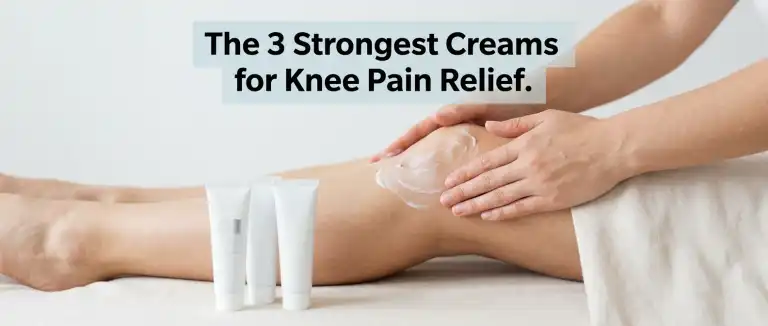
The 3 Strongest Creams for Knee Pain Relief
Knee pain can make even the simplest daily tasks feel like a challenge. Whether it's climbing stairs, walking the dog, or simply standing up from a chair - that persistent ache in the knee joint affects millions of people. The good news? You don't always need to reach for oral painkillers. Topical creams have come a long way, and today's strongest formulas can deliver serious relief directly where it hurts most. Here's what you need to know before choosing one.
 Why Topical Creams Can Be So Effective for Knee Pain
Unlike oral pain medications that travel through your entire body, topical creams are applied directly to the skin over the knee joint. This means the active ingredients concentrate right at the source of the pain - reducing inflammation, numbing nerve signals, or improving joint lubrication - with far fewer systemic side effects.
But not all knee pain creams are created equal. The "strongest" cream for you depends on the type of knee pain you're experiencing:
- Inflammatory pain (arthritis, swelling, stiffness) responds best to anti-inflammatory compounds.
- Sharp or nerve-related pain responds best to topical anesthetics.
- Muscle soreness or post-activity discomfort responds well to counterirritants like menthol or camphor.
Understanding this distinction is the first step toward choosing a cream that actually works for your specific situation.
The 3 Strongest Creams for Knee Pain Relief
Based on clinical evidence, pharmacist recommendations, and widespread patient use, here are the three strongest over-the-counter topical creams for knee pain relief:
1. Voltaren Arthritis Pain Gel (Diclofenac Sodium 1%)
Voltaren is widely regarded as the gold standard for knee arthritis pain. Its active ingredient, Diclofenac Sodium, is a topical Non-Steroidal Anti-Inflammatory Drug (NSAID). Unlike creams that simply create a numbing or warming sensation, Voltaren penetrates through the skin to block prostaglandins - the chemicals responsible for inflammation and pain signaling in the joint itself.
- Best for: Chronic osteoarthritis, joint swelling, and morning stiffness
- Key benefit: Targets the root cause of inflammation, not just the symptom
- Important note: Avoid combining with oral NSAIDs (like ibuprofen) without medical advice
2. Aspercreme Maximum Strength Lidocaine Cream (Lidocaine 4%)
For those dealing with sharp, shooting, or nerve-related knee pain, Aspercreme's Maximum Strength Lidocaine Cream is a standout option. Lidocaine is a well-known topical anesthetic that temporarily blocks nerve signals at the site of application - effectively numbing the area so pain signals don't reach the brain.
- Best for: Sharp pain, nerve sensitivity, and post-procedural knee discomfort
- Key benefit: Fast-acting, fragrance-free, and maximum OTC lidocaine strength
- Important note: Provides temporary relief - not a long-term anti-inflammatory treatment
3. Biofreeze Professional Pain Relief Gel (Menthol 10.5%)
Biofreeze is one of the most clinically recommended cooling gels for musculoskeletal pain. Its high-concentration menthol formula works as a counterirritant - it stimulates cold-sensitive receptors in the skin, which effectively "distracts" the nervous system from the deeper pain in the knee. It's a favorite among physical therapists and sports medicine professionals.
- Best for: Muscle soreness, tendonitis, post-workout knee pain, and acute strains
- Key benefit: Fast, long-lasting cooling sensation with a clinically tested formula
- Important note: Works best for pain from overuse and muscle fatigue, not arthritis inflammation
How to Apply Knee Pain Creams Correctly
Even the strongest cream won't deliver its full benefit if it isn't applied properly. Here are some key tips to get the most out of any topical knee pain formula:
- Clean the area first. Wash and dry the skin around the knee before applying any cream.
- Use the right amount. More isn't always better. Follow the dosage instructions on the label carefully.
- Massage it in gently. Light circular massage helps the cream absorb into the skin and reach deeper tissue.
- Wash hands after application. Especially important with NSAID or lidocaine creams - avoid contact with eyes or mucous membranes.
- Be consistent. Anti-inflammatory creams like Voltaren typically need several days of regular use to reach maximum effectiveness.
What to Watch Out For
While topical creams are generally considered safe, there are a few things worth keeping in mind before you start a routine:
- Skin sensitivity: Some people may experience mild redness or irritation at the application site, especially with menthol-based products.
- Drug interactions: Diclofenac (NSAID) creams can interact with blood thinners and certain heart medications. Consult a pharmacist or doctor if you take regular medication.
- Not a substitute for diagnosis: Persistent or worsening knee pain should always be evaluated by a healthcare professional to rule out serious underlying conditions.
- Avoid broken skin: Never apply topical pain creams to open wounds, rashes, or irritated skin.
Matching the Right Cream to Your Knee Pain
Choosing the most effective cream comes down to understanding your pain type. Here's a simple breakdown to guide your thinking:
- Arthritis, swelling, or stiffness? → Voltaren Arthritis Pain Gel
- Sharp, shooting, or nerve pain? → Aspercreme Maximum Strength Lidocaine
- Muscle soreness or post-activity ache? → Biofreeze Professional Gel
In some cases, individuals with complex knee conditions may even benefit from rotating between products depending on the nature of their discomfort on a given day.
When to See a Doctor
Topical creams are a helpful tool for managing mild to moderate knee pain - but they are not a cure. If you experience any of the following, it's time to consult a medical professional:
- Knee swelling that doesn't improve with rest and topical treatment
- Pain that's severe or getting progressively worse
- Locking, clicking, or instability in the knee joint
- Pain following a fall or direct injury to the knee
Finding the Best Option for Your Specific Needs
While the three creams above represent the strongest and most clinically supported options available without a prescription, the "best" choice for knee pain is always personal. Factors like your age, the underlying cause of the pain, other medications you take, and how your skin reacts to certain ingredients all play a role.
If you're unsure which direction to go, searching for more specific guidance - comparing active ingredients, reading expert-reviewed product breakdowns, or looking into local pharmacy recommendations - can help you narrow down the options that make the most sense for your situation.
Exploring detailed comparisons and professional advice online is a practical next step toward finding a solution that truly fits your needs - and getting back to moving without discomfort.