
Is Your Home Actually Safe? What Smart Security Changes in 2026
Is Your Home Actually Safe? What Smart Security Changes in 2026
Most people assume their home is secure. A lock on the door. Maybe an old alarm. But in 2026, the definition of "home security" has completely changed - and if your setup is more than a couple of years old, there's a strong chance it's already outdated. Burglars and intruders have adapted. The good news? So has the technology designed to stop them. And it's more affordable, smarter, and easier to install than most people realise.
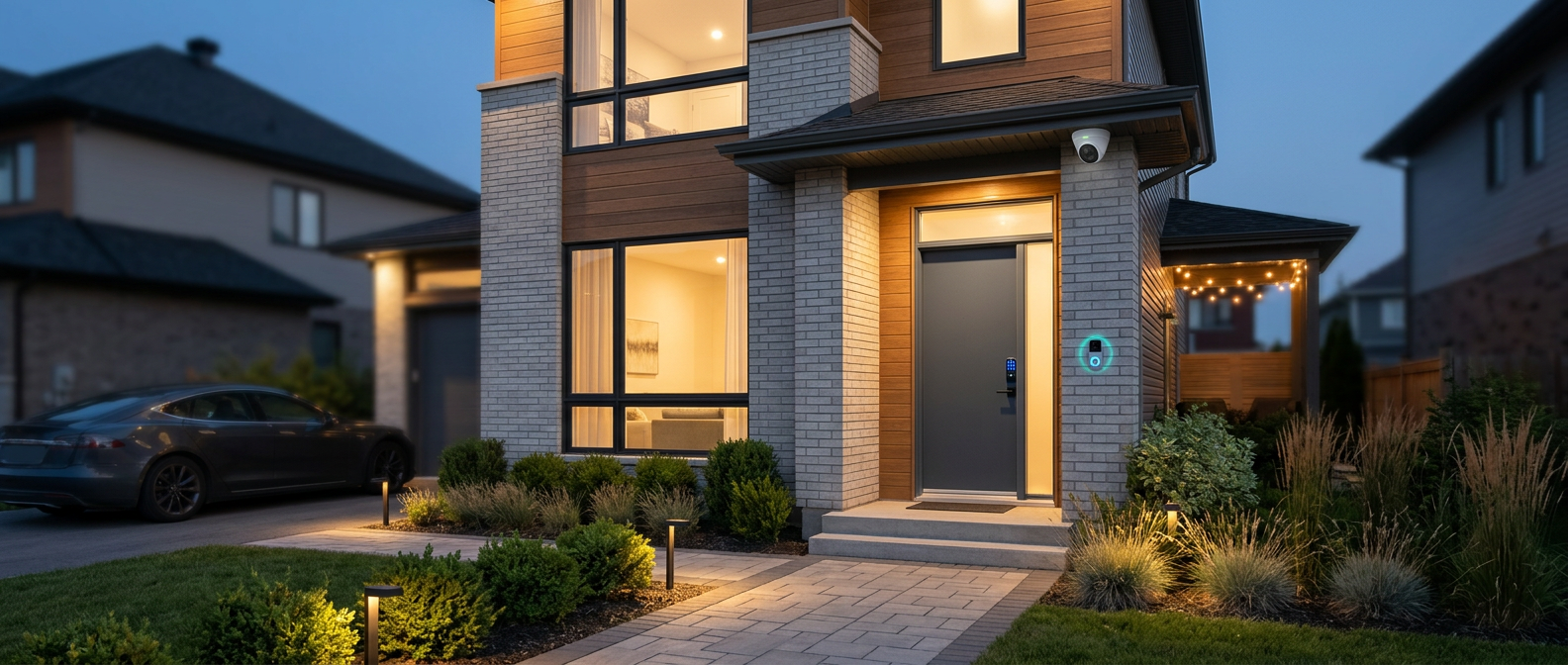
The Problem With Traditional Home Security
Old-school alarm systems were built around a simple idea: detect an intrusion, make a loud noise, hope someone calls the police. That model has serious flaws.
- False alarms frustrate neighbours and often get ignored.
- Response times can be dangerously slow.
- Wired systems are easy to disable at the source.
- You get no visibility into what's happening at home when you're away.
Traditional systems react. Modern smart security systems predict, prevent, and notify - in real time. That's a fundamental difference.
What "Smart" Security Actually Means Today
A smart home security system connects your cameras, sensors, locks, and alerts into one intelligent network - all managed from your phone, from anywhere in the world.
In 2026, the most advanced systems use Edge AI - meaning your camera processes footage directly on the device, not in a distant cloud server. It can tell the difference between a passing car, a delivery person, a pet, and an actual threat. You only get notified when it matters.
This isn't science fiction. It's the standard expectation for any modern system worth buying.
Key Features to Look For in a Smart Security System
Not all systems are created equal. Here's what separates a genuinely smart setup from a glorified webcam with an app:
- AI-Powered Motion Detection: Filters out irrelevant alerts and only flags real threats - people or vehicles approaching your property.
- Smart Locks with Keyless Entry: Fingerprint, PIN, or smartphone-based access. No physical key to copy or lose.
- Local Video Storage: Footage stored on-device or a local hub - not dependent on a monthly cloud subscription or internet connection to function.
- Universal Device Compatibility (Matter Protocol): Devices from different brands - cameras, sensors, locks - all work together seamlessly.
- Real-Time Remote Monitoring: Live video, instant alerts, and full control via a smartphone app, no matter where you are.
- 24/7 Professional Monitoring (Optional): A monitoring centre watches your home and contacts emergency services on your behalf if needed.
Smart Security + Energy Efficiency: The New Standard
One of the biggest shifts in 2026 is the fusion of security and energy management. Modern systems don't just protect your home - they help run it more efficiently.
When your door sensor detects you've left the house, your system can automatically:
- Arm the alarm and lock the doors.
- Turn off lights throughout the property.
- Lower the heating or cooling to an energy-saving mode.
This is particularly relevant in markets like Germany and Scandinavia, where integrated energy-smart home systems are seeing the fastest growth - driven both by consumer demand and government incentives for sustainable home upgrades.
Privacy Matters: Cloud vs. Local Storage
A growing concern for homeowners worldwide is data privacy. Who has access to your footage? Where is it stored? Can it be hacked?
Cloud-based systems are convenient but come with trade-offs: ongoing subscription costs, potential data breaches, and dependence on an internet connection. For privacy-conscious households - particularly in Germany, where strict data protection regulations apply - systems with local storage (microSD cards, Network Video Recorders, or local base stations) are the preferred choice.
The good news is that in 2026, local storage no longer means sacrificing features. The latest hybrid systems offer the best of both worlds: local backup with optional cloud access.
DIY vs. Professional Installation: Which Is Right for You?
This is one of the most common questions - and the answer depends on your priorities.
DIY Smart Security Systems:
- Lower upfront cost
- No long-term contracts
- Flexible - add devices as you go
- Ideal for renters or those who move frequently
Professionally Installed Systems:
- Expert setup and configuration
- Often includes 24/7 monitoring as a package
- Better suited for larger properties or complex layouts
- Typically backed by a service guarantee
The market has matured significantly - even DIY systems in 2026 offer professional-grade features. The key is choosing a system that matches your home's specific needs.
5 Smart Security Mistakes Homeowners Keep Making
Even people who invest in smart security often undermine their own systems. Avoid these common errors:
- Using a weak Wi-Fi router: Your entire smart home is only as secure as your network. Use a modern router with strong encryption and always enable two-factor authentication on your security apps.
- Ignoring firmware updates: Outdated software is a known vulnerability. Keep every connected device updated.
- Only protecting entry points: Windows, garages, and back gates are frequently overlooked - and frequently targeted.
- Buying incompatible devices: Always check for Matter/Thread compatibility to ensure your devices work together long-term.
- Skipping outdoor lighting integration: AI-triggered floodlights are one of the most effective deterrents available. Don't overlook them.
What Should You Search For Next?
Understanding smart security is one thing - finding the right system for your home, budget, and location is another. The market is wide, with dozens of brands, subscription models, and installation options to compare. What works well for a flat in a city centre is very different from what suits a detached house in a rural area.
Whether you're looking for a complete system, a specific device like a smart lock or outdoor camera, or professional monitoring services - the best next step is to explore the options available in your area and at your price point.
The Bottom Line
Smart home security in 2026 is no longer a luxury - it's a practical, accessible upgrade that gives you real-time control, genuine peace of mind, and even energy savings. The technology has evolved. The question is whether your home's protection has kept up. Start by identifying the weakest link in your current setup, and go from there. The right system is out there - it's just a matter of finding the one that fits your home perfectly.