
Is Your Roof Trying to Tell You Something?
Most homeowners never think about their roof - until it's too late. A single missing shingle, a small damp patch on the ceiling, or a subtle sag in the roofline are easy to dismiss. But these are your home sending you urgent warning signals. Ignoring them can turn a straightforward, affordable repair into a full structural nightmare that costs many times more to fix. If your roof is more than 15 years old, or if you've noticed any recent changes after a storm, wind, or heavy rain - this guide is for you.
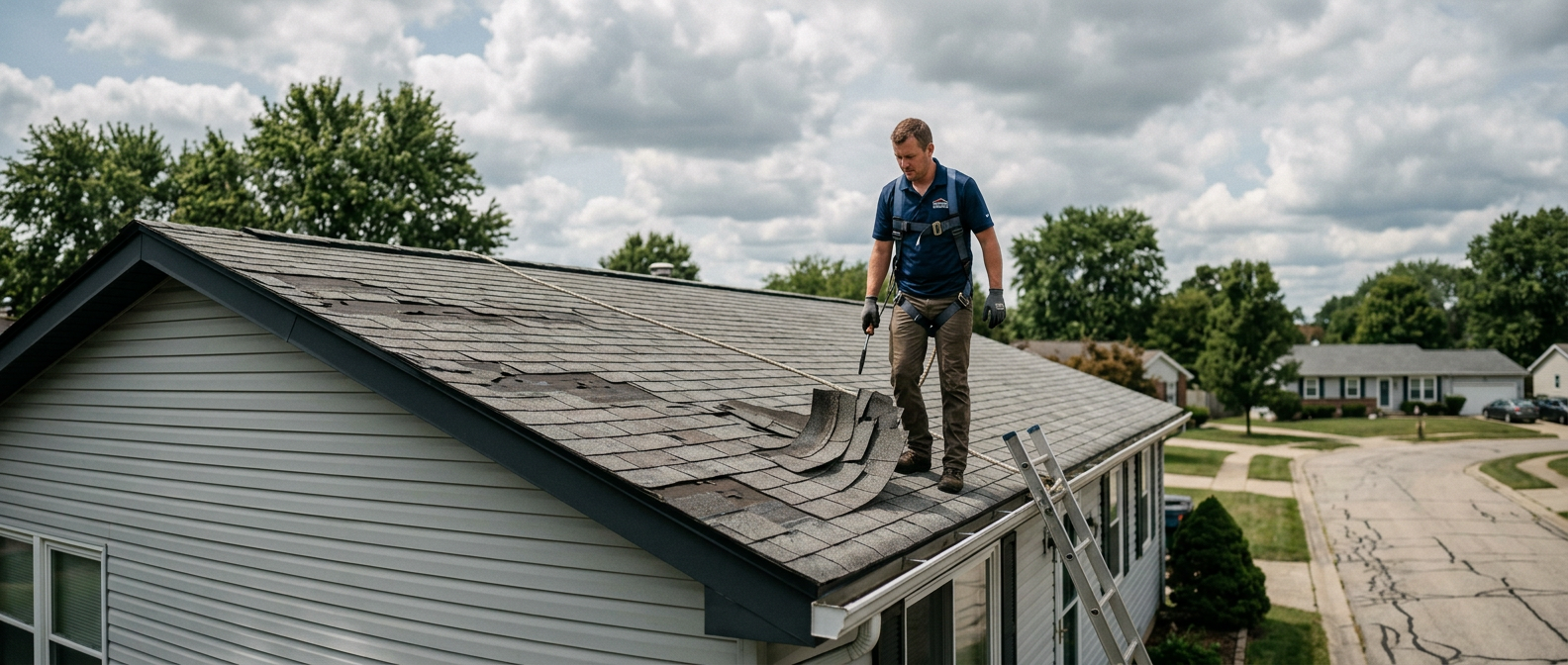 The Warning Signs Most Homeowners Miss
Roof problems rarely announce themselves loudly. They creep in quietly and get worse over time. Knowing what to look for can save you an enormous amount of money.
- Curling or cracked shingles: A sign your roof's protective surface is breaking down and losing its weatherproofing ability.
- Granules in the gutters: If you see a build-up of coarse, sand-like particles in your gutters, your shingles are deteriorating rapidly.
- Dark stains or damp patches indoors: Water is already inside. Every day you wait, it spreads further into insulation, timber, and walls.
- Sagging sections: This is a structural red flag. A sagging roofline means decking boards underneath are rotting or structural supports are compromised.
- Flashing failures: The metal strips around chimneys, skylights, and vents are the most common entry points for leaks when they rust or the sealant fails.
- Daylight through the roof boards: If you can see light from inside your attic, water and pests can get in too.
The challenge is that most of these warning signs develop slowly and are invisible from the ground. By the time you notice them inside your home, the damage has usually already spread.
Repair or Replace? The Question Every Homeowner Faces
This is the pivotal decision - and getting it wrong is expensive either way. Paying for repeated repairs on a roof that's past its life expectancy is like putting new tyres on a car with a failing engine. Conversely, replacing a roof that only needed a targeted fix is an unnecessary cost.
Here's a simple framework to guide your thinking:
Lean towards REPAIR if:
- Your roof is under 15 years old and generally in good condition
- The damage is isolated to one section only
- The underlying timber decking is dry and structurally sound
- You caught the issue early, before water penetrated deeply
Lean towards REPLACEMENT if:
- Your roof is 20+ years old and showing widespread wear
- You've had multiple leaks in different areas over recent years
- The repair cost approaches 40-50% of what a full replacement would cost
- You're planning to sell your home - a worn roof is a major buyer deterrent
- Storm or hail damage is widespread across the entire surface
A useful rule of thumb: if fixing the problem costs nearly half what a new roof would cost, the new roof almost always delivers better long-term value.
Why Delays Are So Costly
Water is relentless. What starts as a small, localised leak will travel along roof timbers, soak into insulation, and eventually reach interior ceilings and walls. A minor repair job that might cost a few hundred dollars can silently escalate into a job that costs five to ten times more - simply because the homeowner waited one season too long.
There's also the mould factor. Once moisture penetrates insulation and timber for long enough, mould growth begins. Mould remediation is a separate, significant cost on top of the roof work itself.
Acting early is almost always the most affordable option.
Choosing the Right Roofing Material
If you are facing a full replacement, your choice of material matters enormously - not just for cost, but for longevity and performance in your local climate.
- Asphalt / Architectural Shingles: The most widely used option. Durable, cost-effective, and available in many styles. Lifespan: 20-30 years.
- Metal Roofing: Increasingly popular due to longevity and energy efficiency. Excellent in areas with high winds or heavy rainfall. Lifespan: 40-70 years.
- Concrete or Clay Tiles: Extremely durable and well-suited to warmer, drier climates. Heavy, so structural checks are needed. Lifespan: 50+ years.
- Slate: Premium natural material with outstanding durability. Higher upfront cost, but can outlast the building itself. Lifespan: 75-100+ years.
- Flat Roof Membranes (TPO, EPDM, felt): Common on low-pitch or flat roofs. Requires specific installation expertise. Lifespan: 15-30 years depending on the system.
The right choice depends on your roof pitch, your local climate, your budget, and what your neighbours and local council may permit in terms of aesthetics.
4 Things to Do Before Hiring a Roofer
- Check your home insurance policy. Storm-related damage is often covered, at least partially. Review your policy carefully and contact your insurer before booking any contractor work.
- Get multiple written quotes. Prices can vary significantly between contractors. Always get at least three detailed quotes that specify materials, labour, removal of old roofing, and warranties.
- Verify credentials and insurance. Only hire roofers who carry public liability insurance and can demonstrate relevant trade qualifications or memberships. Ask for references from recent local jobs.
- Ask about warranty terms. A quality roofing job should come with both a manufacturer's product warranty on materials and a workmanship warranty from the contractor covering the installation itself.
The Energy Efficiency Angle Worth Knowing About
If you are replacing your roof anyway, 2026 is a smart time to think about energy performance upgrades at the same time. Modern roofing systems offer significant improvements in thermal efficiency compared to roofs installed even ten years ago.
Options worth discussing with your contractor include:
- Reflective "cool roof" shingles that reduce heat absorption in summer
- Improved underlayment and breathable membranes that manage moisture better
- Enhanced attic ventilation systems that reduce heat buildup year-round
These upgrades can meaningfully reduce heating and cooling costs over the life of the new roof, making the overall investment more financially justifiable.
What's the Right Next Step for Your Roof?
Every roof situation is unique. The right solution for a detached house in a wet coastal climate is different from the right solution for a home in an area with extreme temperature swings. What works for a 10-year-old roof with minor damage is completely different from what's needed for a 25-year-old roof with recurring leaks.
That's exactly why the most important step is getting specific, local information - from qualified professionals who understand your roof type, your local building standards, and the materials available in your area. Generic advice only gets you so far. Personalised guidance from a qualified local roofer, backed by an on-site inspection, is what protects your home and your budget.
The best time to address a roofing problem is always before it gets worse. Whether you're weighing up a targeted repair, planning a full replacement, or simply want to understand your options - the more informed you are, the better the decisions you'll make. Take the time to explore your options, understand what your roof actually needs, and find professionals in your area who can deliver the right solution for your specific home.