
Is Your Roof Trying to Tell You Something?
Is Your Roof Trying to Tell You Something?
Most homeowners don't think about their roof - until water is dripping through the ceiling. By that point, what could have been a simple repair has often turned into a costly emergency. The truth is, your roof gives warning signs long before it fails completely. Knowing what to look for could save you thousands in avoidable damage - and protect your home, your family, and your investment.
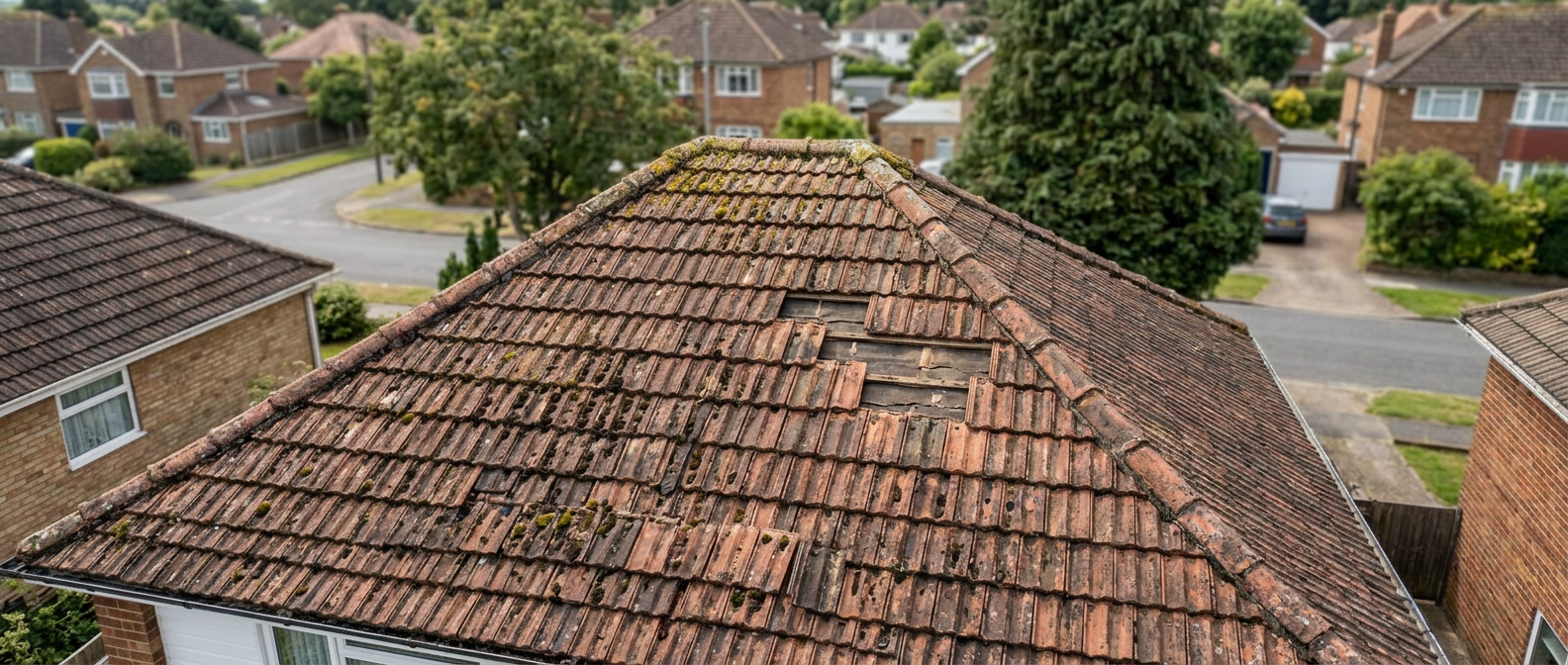
Why Roofs Fail Sooner Than They Should
A roof doesn't just wear out from age. In most cases, premature failure comes down to a combination of factors that many homeowners simply aren't aware of:
- Neglected maintenance: Even small issues - a cracked tile, a loose piece of flashing - let moisture in. Over time, that moisture rots the timber beneath and spreads through the structure.
- Poor ventilation: Without proper airflow in the roof space, heat and moisture build up and quietly destroy the roofing materials from the inside out.
- Weather damage: High winds, heavy rain, and hail can dislodge, crack, or strip away roofing materials. Storm seasons take a heavy toll every year.
- Moss and algae growth: Common in damp or coastal climates, moss acts like a sponge - holding moisture against the surface and accelerating material breakdown.
The result? A roof that looks fine from the street but is already failing where you can't see it.
Warning Signs You Should Never Ignore
Your roof will almost always give you clues before a full breakdown. Here's what to watch for - both inside and outside your home.
Inside the home:
- Brown or yellow water stains on ceilings or walls
- Damp or musty smells in the attic or upper rooms
- Visible mold on roof timbers or insulation
- Daylight visible through the roof boards in the attic
Outside the home:
- Cracked, curling, slipped, or missing tiles and shingles
- Granule buildup in gutters (a sign asphalt shingles are breaking down)
- Rusted, loose, or missing flashing around chimneys, skylights, or vents
- A sagging or uneven roofline - a serious structural warning sign
- Gutters pulling away from the roofline or holding standing water
If you notice even one or two of these signs, it's worth getting a professional assessment sooner rather than later.
Repair or Full Replacement - How Do You Know?
This is the question every homeowner dreads. The honest answer depends on a few key factors:
- Age of the roof: Standard asphalt and felt roofs typically last 15-25 years. Tiled roofs can last 40-50 years, but the underlying structure and flashing may need attention much sooner. If your roof is nearing the end of its expected lifespan, patching may only delay the inevitable.
- Extent of damage: Isolated damage - a few broken tiles, a small flashing repair - is usually worth fixing. But if damage is widespread or has compromised the roof deck or structural timbers, replacement is the more cost-effective long-term choice.
- Frequency of repairs: If you're calling a roofer every 12-18 months, the cumulative cost of repairs will often exceed a full replacement within a few years.
- Energy efficiency: Older, poorly insulated roofs can significantly increase heating and cooling bills. A replacement with modern materials and proper insulation often pays back part of its cost through energy savings.
What Roof Replacement Actually Involves
Many homeowners are surprised by what a full roof replacement entails. It's not just about laying new tiles or sheets on top of the old ones. A quality job typically includes:
- Stripping the existing roof down to the structural timbers or decking
- Inspecting and repairing any damaged or rotten timber, battens, or deck boards
- Installing a new underlay (breathable membrane) for waterproofing and insulation
- Fitting new roofing material - tiles, slate, metal sheeting, or shingles depending on your property
- Replacing all flashing around chimneys, pipes, and roof edges
- Checking and clearing gutters and downpipes as part of the finish
Taking shortcuts on any of these steps can result in the same problems returning within just a few years.
How to Choose a Roofing Contractor You Can Trust
The quality of your roofer matters just as much as the materials they use. Before committing to any contractor, make sure you:
- Get at least three written quotes - not estimates - from separate companies
- Verify they are licensed and fully insured for roofing work
- Check independent reviews and ask for references from recent local jobs
- Confirm the quote includes removal and disposal of old materials
- Ensure any warranty covers both materials and workmanship separately
Be wary of any contractor who asks for full payment upfront, pressures you to decide immediately, or can't provide proof of insurance. These are red flags that are unfortunately common in the roofing trade.
The Real Cost of Waiting
Delaying roof repairs is one of the most expensive mistakes a homeowner can make. A small leak that goes unaddressed for a single season can cause timber rot, mold contamination, and damage to ceilings, walls, and insulation - turning a modest repair bill into a major restoration project. The structural integrity of your entire home depends on a watertight roof.
In 2026, with material and labor costs continuing to rise, acting quickly when problems arise is more financially sound than ever.
Finding the Right Solution for Your Home
Every roof is different. The right repair or replacement option depends on your roof's age, materials, structure, local climate, and your budget. What works for a terrace home in a rainy coastal city is very different from what suits a detached house in a region with harsh winters or extreme summer heat.
That's why generic advice only goes so far. The most effective next step is to search for qualified local roofing specialists who understand the specific conditions in your area - and can give you an accurate, no-obligation assessment of exactly what your roof needs.
Whether you're dealing with a minor leak, significant storm damage, or an ageing roof that's simply reached the end of its life, the right professional can help you understand your options, your costs, and your priorities - before a small problem becomes a very large one.