
The Complete Guide to Rent-to-Own Cars for Uber Drivers
Driving for Uber is a smart way to earn income on your own schedule. But one major roadblock stops many drivers before they ever log their first trip: getting access to a reliable, rideshare-approved vehicle. If traditional car financing feels out of reach, a rent-to-own program could be the most practical path forward. This guide breaks down exactly how these programs work, what they cost, and what to watch out for before you sign anything.
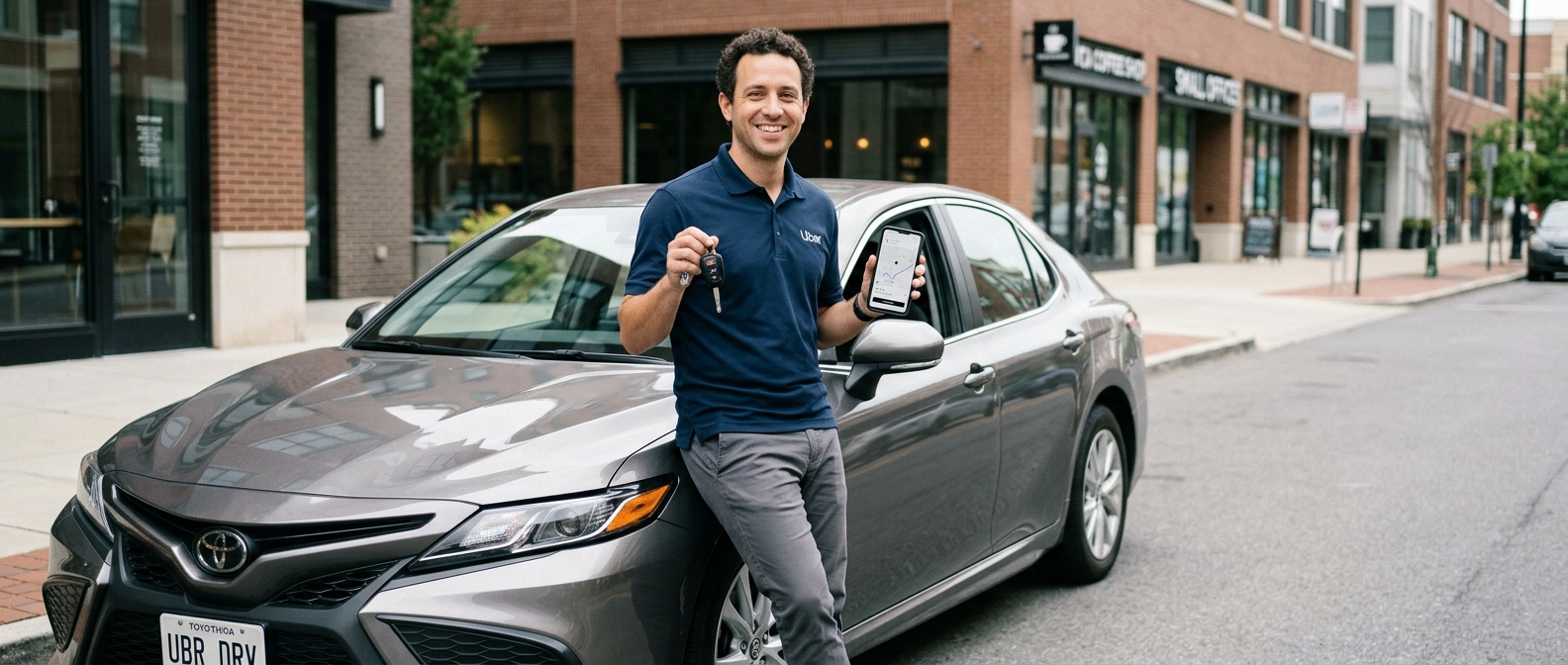
What Is a Rent-to-Own Car Program?
A rent-to-own (RTO) program - sometimes called "drive-to-own" or "lease-to-own" - lets you drive a vehicle while making weekly payments that build toward full ownership. Unlike a standard rental where money simply covers temporary access, RTO payments accumulate equity. At the end of your contract term, the car is yours.
For rideshare drivers, these programs are specifically structured around the gig economy lifestyle. That means no traditional W-2 income verification, no hard credit checks in most cases, and vehicles that already meet Uber's platform requirements.
How the Process Works, Step by Step
Understanding the flow helps you compare programs with confidence:
- Step 1 - Choose a vehicle: Select from a fleet of rideshare-approved cars. Many 2026 programs now prioritize electric vehicles (EVs) like the Kia Niro or Tesla Model Y to align with Uber's green initiative goals.
- Step 2 - Pay an upfront fee: Most programs require a starting deposit or down payment ranging from $0 to $2,000, depending on the provider.
- Step 3 - Make weekly payments: A flat weekly rate typically bundles the car cost, commercial rideshare insurance, registration, and routine maintenance into one payment.
- Step 4 - Build equity: A portion of each payment goes directly toward the vehicle's purchase price - not just access to it.
- Step 5 - Take ownership: After the contract term (usually 12 months to 3 years), the car is yours. Most reputable programs include no balloon payment at the end.
Who Typically Qualifies?
Because these programs are built for gig workers, the requirements are far more accessible than traditional dealership financing:
- Active Uber account: You must be an approved driver. Some premium EV programs require Uber Pro Gold, Platinum, or Diamond status.
- Age requirement: Typically 21 or 25 years old, depending on the provider's insurance rules.
- No hard credit check: Most programs skip the credit check entirely. Some do a soft pull that does not impact your credit score.
- Payment method: A valid bank account or debit card for automatic weekly deductions is standard.
What Does It Actually Cost?
Costs vary by provider, city, and vehicle type. Here is a general breakdown of what drivers are seeing in 2026:
- Down payments: Range from $0 to $2,000. Some providers charge a non-refundable portion plus a smaller refundable security deposit.
- Weekly payments: Typically between $189 and $350+ per week. Shorter contract terms (12 months) tend to carry higher weekly rates; longer contracts (18-24 months) lower them.
- What's included: Routine maintenance such as oil changes, brake service, and fluid checks is usually bundled. Tires and glass replacement are often the driver's responsibility.
- Early termination: Ending the contract early means forfeiting your accumulated equity. Some providers also charge cancellation fees if proper notice (commonly 7 days) is not given.
The Real Advantages for Uber Drivers
Rent-to-own programs offer several benefits that go beyond just getting a car:
- Accessible with bad or no credit: If you have a limited or damaged credit history, RTO is one of the few paths to vehicle ownership available to you. Some programs even include free credit-building support.
- All-inclusive simplicity: One weekly payment covers the car, insurance, and registration - no juggling multiple large bills.
- Unlimited mileage: Traditional leases cap miles, which is a serious issue for full-time rideshare drivers. RTO programs generally allow unlimited miles.
- EV incentives: Driving an EV through certain programs qualifies you for Uber's Zero Emissions incentives, which can translate into significantly reduced Uber service fees over time.
The Drawbacks Worth Knowing About
No program is perfect. Here are the trade-offs to weigh carefully:
- Higher total cost: The convenience and no-credit-check access come at a price. By the end of your contract, the total you paid will typically exceed what you would have spent buying the same car with traditional financing.
- Strict weekly commitment: Slow weeks, illness, or time off don't pause your payment obligations. Missing payments risks repossession and loss of all equity built.
- Upfront cash required: Even without a credit check, coming up with $1,000-$2,000 upfront can be a hurdle for new drivers.
- Limited geographic availability: The strongest RTO programs remain concentrated in major rideshare cities such as Los Angeles, New York, Chicago, Las Vegas, and San Francisco, though coverage is growing.
Key Programs to Research
Several platforms operate in this space with different structures and vehicle offerings:
- Drive Sally: Focused on EV adoption with 2-year paths to ownership and Uber Pro status requirements.
- CarToo: Operates across the West Coast with zero credit checks and a large hybrid and EV fleet.
- DriveItAway: A dealer-based app model where rental fees contribute toward a down payment to buy the vehicle.
- The Rideshare Group: Known for aggressive 12-to-18-month fast-track ownership contracts.
Uber's own Vehicle Marketplace also connects drivers with vetted RTO partners, making it a logical starting point for comparing options in your city.
Questions to Ask Before Signing
Before committing to any program, get clear answers on these points:
- What percentage of each weekly payment goes toward equity vs. fees?
- Is commercial rideshare insurance included, and what are the coverage limits?
- What happens to your equity if you need to pause or exit early?
- Are there mileage restrictions or geographic limitations on where you can drive?
- Is there a buyout option before the contract term ends?
Is Rent-to-Own the Right Move for You?
Rent-to-own works best for drivers who have limited access to traditional financing, want a structured path to ownership rather than indefinite renting, and can commit to consistent driving to meet weekly payment obligations. If you have solid credit and savings, a conventional auto loan will almost always be cheaper in total cost. But for drivers working to build credit or entering rideshare driving without strong financial history, RTO offers a legitimate and structured way in.
The best program for you will depend on where you live, your weekly earnings targets, and whether you prioritize lower upfront costs or a faster path to full ownership. Comparing multiple providers side by side - and reading the fine print on equity, insurance, and exit terms - is the most important step any prospective driver can take.
Researching specific programs available in your area, reading driver reviews, and exploring terms through Uber's Vehicle Marketplace are all solid next steps to finding the arrangement that genuinely fits your situation.