
Police Impound SUVs: What Every Smart Buyer Should Know
Every year, thousands of SUVs end up in police impound lots across the country - seized, abandoned, or unclaimed after a certain period. Many of them sit there, largely unnoticed, while savvy buyers walk away with well-known makes and models at a fraction of their retail price. If you've ever wondered whether this is a real opportunity or too good to be true, this guide breaks it all down.
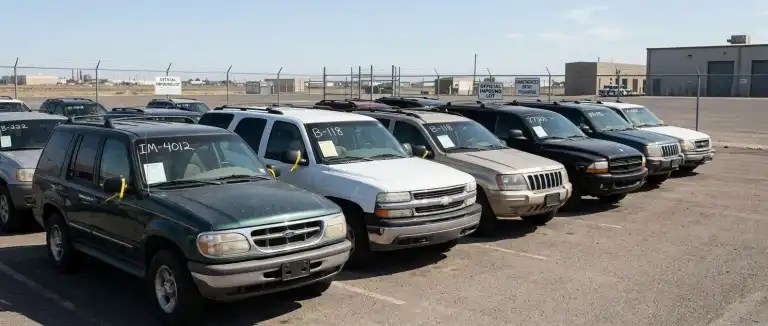 What Is a Police Impound Lot, Exactly?
A police impound lot is a secured facility where law enforcement agencies store vehicles that have been towed, seized, or confiscated. This can happen for a wide range of reasons - unpaid parking tickets, involvement in a crime, DUI arrests, or simply abandonment on public property. When the original owner doesn't reclaim the vehicle within a set timeframe, the agency is authorized to sell it, often through a public auction.
SUVs are among the most common vehicle types found at these sales. They're widely owned, frequently financed, and when financial hardship hits, owners sometimes walk away - leaving the vehicle in limbo.
Why SUVs Show Up in Impound Lots So Often
It's not random. SUVs are the most popular vehicle segment in the U.S., which means statistically they represent a large share of impounded vehicles too. Beyond the numbers, SUVs are also commonly associated with certain seizure scenarios - including drug-related cases - where law enforcement confiscates the asset entirely. The result is a steady, rotating inventory of mid-size and full-size SUVs at impound auctions nationwide.
How the Auction Process Generally Works
Most impound auctions follow a similar structure, whether run directly by a police department or outsourced to a third-party auction house. Here's what the typical process looks like:
- Vehicles are inventoried and assigned a lot number.
- A public notice is posted - online, in newspapers, or on government websites.
- A preview period allows prospective buyers to inspect vehicles in person.
- Bidding takes place either in-person or online, depending on the auction format.
- The winning bidder pays, completes paperwork, and arranges pickup.
Most sales are "as-is," meaning no warranties are offered. What you see is what you get - which is why preparation matters.
What to Check Before You Bid
Walking into an impound auction without doing your homework is the most common mistake buyers make. Here are the key things to verify before placing any bid:
- VIN Check: Run the Vehicle Identification Number through a vehicle history service to uncover past accidents, ownership history, and title status.
- Title Type: Watch for salvage, rebuilt, or lien titles. These can affect insurance eligibility and resale value significantly.
- Odometer Reading: High mileage doesn't automatically disqualify a vehicle, but it should factor into your maximum bid.
- Visible Condition: Look for rust, body damage, broken glass, or signs of tampering. Interior condition can reveal a lot about how the vehicle was used.
- Mechanical Red Flags: If you're allowed a test run or can pop the hood, do it. Look for fluid leaks, warning lights, or unusual sounds.
Bringing a trusted mechanic to the preview - or at minimum a detailed checklist - can save you from a costly mistake.
Understanding the Real Cost
The sticker price at an auction is rarely your total cost. Factor in:
- Buyer's premiums (typically 5-15% added on top of the winning bid)
- Towing or transport if the vehicle isn't drivable
- Smog and emissions testing fees (required in many states)
- Registration and title transfer costs
- Any immediate repairs needed to make it road-safe
Once you account for all of these, you'll have a much more realistic picture of the true cost - and whether the deal still makes sense.
Where to Find Legitimate Impound Auctions
Police impound auctions are more accessible than most people realize. Common places to find listings include:
- Your local city or county government website
- State-level surplus property portals
- Established auction platforms that partner with municipalities
- Local classified ads or community boards
Many auctions now run entirely online, which has made it easier than ever to browse available inventory before committing to attend in person.
Finding the Right Auction for Your Area
Finding an impound SUV that checks all the boxes - the right model, the right price, and a clean history - often comes down to knowing exactly where to search in your specific area. Availability varies widely by city and county, and auction schedules, formats, and requirements differ from one jurisdiction to the next. The more specific your search, the better your odds of finding something worth bidding on.
Whether you're looking for a particular make, a budget-friendly family SUV, or information on auction rules in your state, searching for local options is the most practical next step.
Closing Thoughts
Police impound SUV auctions represent a legitimate and well-established way to explore vehicle ownership outside of the traditional dealership model. The process rewards informed buyers - those who understand the paperwork, inspect before bidding, and calculate the real total cost. With the right preparation, an impound lot can be a surprisingly productive place to start your vehicle search.