
Still Wearing Glasses in 2026? Laser Eye Surgery Changed Everything
Imagine waking up and seeing the world in perfect clarity - no reaching for glasses, no fumbling with contact lenses. For millions of people around the world, laser eye surgery has already made that a daily reality. And in 2026, the technology has advanced so dramatically that more people than ever are now eligible, the procedures are faster, and the results are more precise than anything available just a few years ago. If you've been putting off the idea, it may be time to look again.
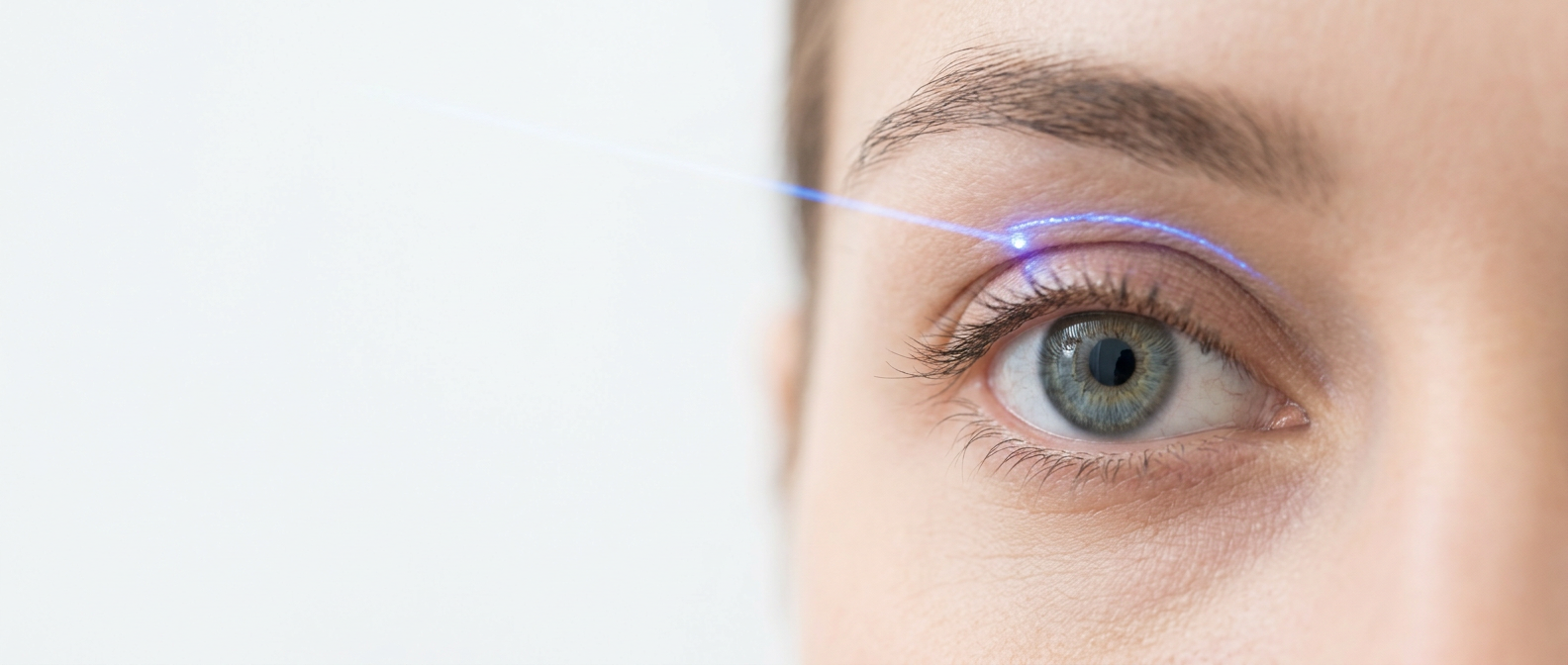
Why So Many People Are Making the Switch
The frustration of depending on glasses or contacts is something most people simply accept as part of life. But the costs add up - not just financially, but in daily inconvenience. Contacts run dry, glasses break or get lost, and prescription changes mean regular, expensive replacements.
Laser eye surgery offers a long-term solution. According to eye care experts, the vast majority of patients who undergo procedures like LASIK or SMILE achieve 20/20 vision or better, with patient satisfaction rates consistently cited above 96%. Most patients return to normal activities within 24 to 48 hours of treatment.
What Procedures Are Available in 2026?
The field has expanded well beyond traditional LASIK. Here are the main options available today:
- LASIK (Laser-Assisted In Situ Keratomileusis): The most widely performed laser vision correction procedure worldwide. A thin corneal flap is created, and a laser reshapes the underlying tissue. Results are typically noticeable within 24 hours.
- SMILE (Small Incision Lenticule Extraction): A minimally invasive, flapless procedure favoured by patients with active lifestyles or mild dry eye tendencies. No corneal flap means a faster surface healing process.
- PRK / Trans-PRK (Surface Laser Treatment): An excellent option for patients with thinner corneas. The recovery is slightly longer, but the visual outcomes are comparable to LASIK, and there is no flap involved.
- Femto-LASIK (All-Laser LASIK): An enhanced version of traditional LASIK where a femtosecond laser replaces the mechanical blade entirely. Considered the gold standard in precision and safety at many leading clinics.
The right procedure for you depends on your corneal thickness, prescription strength, age, and lifestyle. A thorough eye assessment at a certified clinic will determine your suitability.
What Does It Actually Feel Like?
Many people avoid surgery simply because of fear. But the reality is far less daunting than most expect.
The entire procedure typically takes less than 15 minutes per eye. You'll be given anaesthetic eye drops - no injections, no general anaesthesia. During the laser treatment itself, most patients feel nothing more than mild pressure for a matter of seconds. The laser itself operates for only a few seconds per eye in modern systems.
After the procedure, some patients notice mild dryness or light sensitivity for a few days. Most describe their recovery as far easier than anticipated. One patient from the UK described it like this: "I was terrified beforehand. Within 24 hours, I could read the clock across the room for the first time in 15 years."
The Real Cost of Keeping Your Glasses (vs. Laser Surgery)
Let's put the numbers in perspective. The average person who wears glasses or contacts spends a significant amount annually on replacements, solutions, and optician visits - costs that continue every year with no end in sight.
Laser eye surgery is a one-time investment. While prices vary by country and clinic type, many providers now offer interest-free payment plans, making the procedure accessible even without paying the full amount upfront.
When you factor in a lifetime of eliminated lens costs, the financial case often becomes surprisingly clear.
Who Is a Good Candidate?
Not everyone is suitable for laser eye surgery, but eligibility has expanded significantly thanks to modern screening tools. You're likely a strong candidate if you:
- Are over 18 years of age with a stable prescription for at least 12 months
- Have healthy corneas of adequate thickness
- Do not have conditions such as active keratoconus or severe dry eye disease
- Are not currently pregnant or breastfeeding
Even patients previously told they were "not suitable" have found that updated technology has changed their eligibility. The only way to know for sure is through a comprehensive consultation.
Risks You Should Know About
Laser eye surgery is one of the safest elective procedures performed today, but it is still a surgical procedure. Potential side effects include:
- Temporary dry eyes - the most common side effect, usually resolving within weeks
- Mild glare or halos around lights at night, particularly in the first few weeks
- In very rare cases, the need for an enhancement procedure to fine-tune the result
Serious complications are rare, with major adverse events occurring in fewer than 1% of cases when performed by experienced surgeons using advanced technology. Choosing a reputable, accredited clinic is the single most important factor in your outcome.
Technology Has Changed the Game
In 2026, AI-assisted laser guidance and real-time 3D eye tracking have made the procedure more precise than ever before. Clinics now use sophisticated corneal mapping to create a personalised treatment profile for each patient - no two treatments are the same. This level of customisation has significantly reduced the risk of under- or over-correction and improved long-term outcomes across the board.
Finding the Right Clinic Matters More Than You Think
Not all laser eye clinics are equal. The surgeon's experience, the equipment used, and the quality of aftercare all have a direct impact on your results. Before booking anything, it pays to understand what a good clinic looks like - and what questions to ask during your consultation.
Pricing transparency, detailed pre-operative assessments, and a clear aftercare programme are non-negotiable markers of a trustworthy provider. Volume-discount clinics that advertise very low introductory prices may not include the diagnostic work or the technology level that delivers optimal results.
Is Now the Right Time?
While these insights help you understand what laser eye surgery involves, the real decisions depend on your personal prescription, your health profile, and what's available from clinics near you. Costs vary between regions, and promotional offers, financing options, and clinic quality differ significantly depending on your location.
The best next step is to explore what's available in your area - including current pricing, procedure options, and clinic reviews - before making any decisions. Searching for trusted providers and comparing what's on offer near you is the most practical way to move forward with confidence.
Clear Vision Could Be Closer Than You Think
Millions of people worldwide have already made the decision to stop depending on lenses - and most say it's one of the best choices they ever made. Whether you're short-sighted, long-sighted, or dealing with astigmatism, modern laser eye surgery likely has a solution designed for your eyes. Take the time to explore your options, ask the right questions, and find a qualified specialist near you.