
Is Your Home Actually Safe? What Smart Security Gets Wrong
Is Your Home Actually Safe? What Smart Security Gets Wrong
Most people think a lock on the door is enough. Maybe a camera by the front entrance. But in 2026, home break-ins and property crimes have evolved - and the old approach to home security simply isn't keeping up. The good news? Smart home security systems have made enormous leaps forward. The bad news? Most homeowners are still running on outdated setups and don't even know it. Here's what's really going on - and what you can do about it.
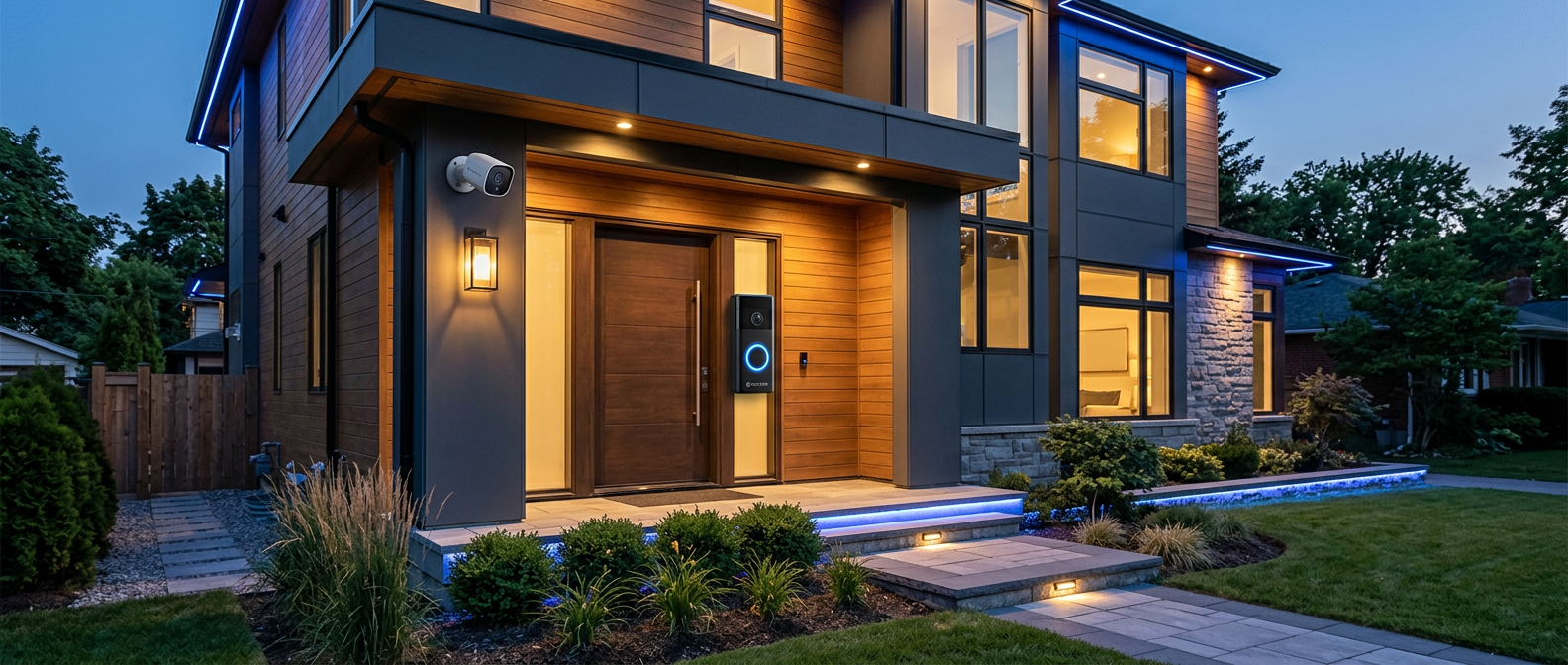
The Problem With "Traditional" Home Security
Old-school alarm systems were designed for a different era. They detect. They beep. They maybe call a number. That's it.
Today's intruders are faster and smarter. A standard alarm gives you about 30-60 seconds of warning - often after the threat is already inside. Traditional cameras record footage that gets reviewed after the fact. There's no prevention. There's no real-time response. There's just a very expensive lesson learned too late.
The core failure of legacy systems comes down to three things:
- No AI filtering - endless false alarms from pets, shadows, and passing cars.
- No integration - devices from different brands don't talk to each other.
- No active deterrence - systems record threats instead of stopping them.
How Modern Smart Security Actually Works
The shift happening right now is enormous. Smart home security in 2026 is no longer about passive recording. It's about proactive, intelligent protection.
Here's what a modern system actually does:
- AI-powered cameras distinguish between a person, a vehicle, an animal, or a package - and only alert you when it truly matters.
- Smart locks with biometrics use fingerprint, facial recognition, or Ultra-Wideband (UWB) technology to unlock only for authorised people.
- Unified ecosystems connect all devices - cameras, sensors, doorbells, locks - into one seamless network via the Matter 1.3 standard, regardless of brand.
- Active deterrence means the system reacts: spotlights activate, audio warnings trigger, and alerts fire to your phone - all before anything happens.
The Rise of the "Smart" Doorbell - And Why It Matters
One of the single most effective upgrades a homeowner can make is a video doorbell. And the data backs this up.
In markets like Australia, video doorbells are now installed in the vast majority of new homes. In the UK, Germany, and Scandinavia, adoption is accelerating fast - driven largely by insurance companies offering significant premium discounts to households with connected security devices.
A smart video doorbell gives you:
- Real-time visual verification of who's at your door - from anywhere in the world.
- Motion-triggered alerts before someone even rings the bell.
- Two-way communication to deter opportunistic visitors.
- AI-powered person detection that eliminates irrelevant notifications.
Smart Locks: The Key Is No Longer a Key
Physical keys are fast becoming a liability. They can be copied, lost, or stolen. Smart locks solve this entirely.
The latest generation of smart locks goes far beyond a PIN code on a keypad. Features now include:
- Biometric access (fingerprint and facial recognition)
- Tamper alerts sent directly to your phone
- Temporary digital access codes for guests or tradespeople
- Automatic locking when you leave and unlocking as you approach
- Full integration with your wider home security ecosystem
For families with children, elderly relatives, or frequent visitors, smart locks offer both convenience and a significant security upgrade over anything that hangs on a keyring.
DIY vs. Professional Monitoring: Which Is Right for You?
One of the biggest shifts in the industry is the rise of the hybrid model. You no longer have to choose between a fully DIY setup and an expensive always-on professional monitoring contract.
Today's leading systems let you:
- Install everything yourself in a few hours - no technician needed.
- Self-monitor via an app, with full control from your smartphone.
- Add optional professional monitoring on a flexible, month-to-month basis.
- Scale the system over time by adding cameras, sensors, and smart devices.
This model works particularly well for renters and homeowners alike - with no long-term commitments and no drilling required in most cases.
Privacy and Data Security: The Questions You Should Be Asking
A smart home security system is only as strong as its digital defences. This is a genuine concern - and one that regulators are now taking seriously.
In 2026, the EU Cyber Resilience Act requires all smart home IoT devices sold in Europe to meet strict cybersecurity standards, including data encryption and mandatory vulnerability reporting. This has effectively raised the floor for every device on the market.
When evaluating any system, ask:
- Is video processed locally on the device, or uploaded to a cloud server?
- Is end-to-end encryption standard - not an optional add-on?
- Does the system require ongoing subscription access to function?
- What data is collected, stored, and potentially shared?
Privacy-conscious buyers - particularly in Germany and Scandinavia - are increasingly favouring systems with local edge-computing, where AI analysis happens on the device itself, keeping your footage off third-party servers entirely.
What to Look for When Comparing Smart Home Security Systems
With dozens of systems available across different price points, it can feel overwhelming. Use this checklist to cut through the noise:
- ✅ AI-powered motion detection with person/vehicle/animal classification
- ✅ Matter 1.3 compatibility for cross-brand device integration
- ✅ Local storage option (SD card or NVR) in addition to cloud
- ✅ Flexible monitoring options - DIY, self-monitored, or professional
- ✅ Strong encryption and transparent privacy policy
- ✅ Easy installation with scalable, modular components
- ✅ Battery-backed or hybrid power to stay online during outages
The Best Smart Home Security Systems Worth Exploring
While the right choice ultimately depends on your home's layout, your budget, and your privacy preferences, the most talked-about systems in 2026 combine ease of use with serious performance. Whether you're looking for a comprehensive alarm system, a standalone camera setup, or a full smart lock and sensor package, there are more high-quality options available today than ever before.
Comparing systems side by side - including features, pricing models, and compatibility - is the smartest first step you can take before making any purchase decision.
Don't Wait for a Problem to Discover You Had One
Home security isn't something most people think about until they need it. But the best system is the one installed before anything goes wrong. Whether you start with a single smart camera at your front door or go all-in with a full integrated system, upgrading your home's security has never been more accessible - or more necessary.
Exploring the latest smart home security systems, comparing top-rated options, and reading up on installation guides can help you make a confident, informed decision that genuinely fits your home, your lifestyle, and your budget.