
The Complete Guide to Assisted Living with Memory Care
When a loved one begins showing signs of Alzheimer's disease or another form of dementia, families face one of the most emotionally complex decisions of their lives. Finding the right level of care - one that balances safety, dignity, and quality of life - is rarely straightforward. Assisted living with memory care offers a specialized path forward, combining the comfort of a residential community with the focused support that cognitive conditions require. This guide breaks down everything you need to know, from what memory care actually means to how families can finance it.
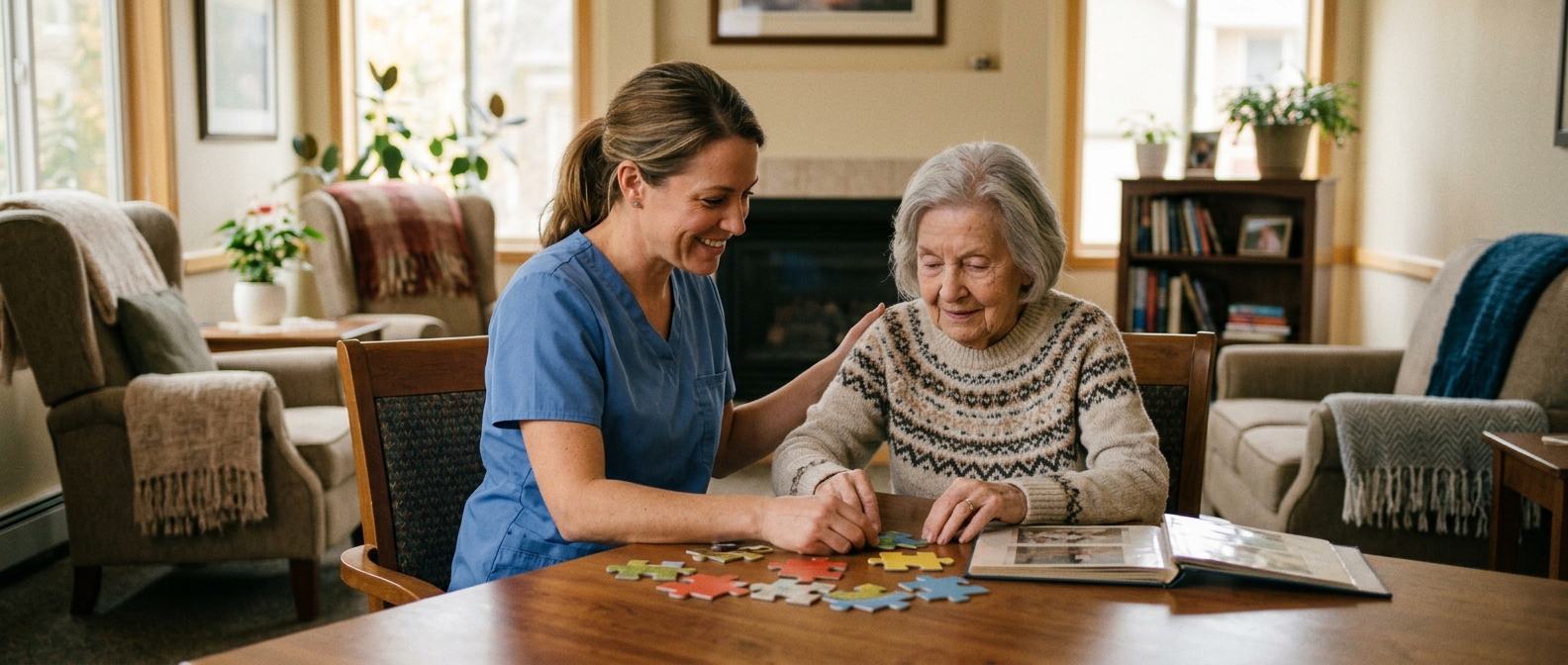
What Is Assisted Living with Memory Care?
Assisted living is a type of senior housing designed for older adults who need help with daily activities but don't require full-time medical nursing care. Memory care is a specialized branch of assisted living, purpose-built for individuals living with Alzheimer's disease, dementia, or other memory-impairing conditions.
Memory care communities operate within secure, structured environments. Staff members receive specific training in dementia care, and daily routines are carefully designed to reduce confusion and anxiety for residents. While standard assisted living focuses on general support, memory care goes a step further - addressing the unique behavioral, cognitive, and emotional needs of each resident.
Key Features of Memory Care Facilities
Not all memory care facilities are the same, but most high-quality programs share several defining characteristics:
- Secured environments: Enclosed courtyards, coded entry points, and monitored exits help prevent wandering - one of the most common and dangerous behaviors associated with dementia.
- Higher staff-to-resident ratios: More hands-on care is available throughout the day and night compared to general assisted living.
- Structured daily programming: Activities are carefully chosen to stimulate memory, encourage social connection, and promote a sense of purpose.
- Specialized staff training: Caregivers are trained in dementia communication techniques, de-escalation, and person-centered care approaches.
- Sensory-friendly design: Layouts, lighting, and décor are intentionally planned to minimize disorientation and support cognitive function.
Benefits of Specialized Memory Care Programs
Families sometimes wonder whether a general assisted living community might be sufficient for a loved one with early-stage dementia. In many cases, dedicated memory care programs offer measurable advantages:
- Reduced risk of accidents and wandering due to purpose-built safety infrastructure.
- Improved emotional wellbeing through routine, familiarity, and consistent caregiving relationships.
- Slower cognitive decline supported by engagement programs rooted in evidence-based therapies like music therapy, reminiscence activities, and sensory stimulation.
- Family peace of mind knowing that every aspect of the environment is tailored to the resident's condition.
- Social connection with peers who share similar experiences, reducing feelings of isolation.
Understanding Senior Memory Care Services
Memory care services extend beyond basic supervision. A well-rounded program typically includes:
- Personal care assistance - help with bathing, dressing, grooming, and toileting.
- Medication management - ensuring prescriptions are taken correctly and on schedule.
- Nutritional support - meals designed to meet dietary needs, with staff available to assist residents who have difficulty eating independently.
- Health monitoring - regular assessments to track changes in cognitive and physical health.
- Therapeutic activities - cognitive stimulation programs, physical movement sessions, and creative outlets tailored to varying ability levels.
- Family involvement programs - regular communication, care conferences, and educational resources to keep families engaged and informed.
Financial Options for Memory Care
Cost is one of the most significant concerns for families exploring memory care. Memory care communities generally cost more than standard assisted living due to the higher staffing levels and specialized programming involved.
Here are the most common ways families fund memory care:
- Private pay: Savings, retirement accounts, or the proceeds from selling a family home are frequently used to cover costs.
- Long-term care insurance: Policies purchased in advance may cover a significant portion of memory care expenses. Policy terms vary widely, so it is worth reviewing coverage carefully.
- Veterans benefits: Eligible veterans and surviving spouses may qualify for the VA Aid and Attendance benefit, which can be applied toward memory care costs.
- Medicaid: In many U.S. states, Medicaid programs cover memory care services for individuals who meet financial eligibility requirements. Coverage rules differ by state.
- Bridge loans and life insurance conversions: Some families use short-term financing solutions or convert life insurance policies into funds for care.
Consulting with a certified senior care financial advisor or a geriatric care manager can help families identify which combination of options makes the most sense for their situation.
Finding the Right Memory Care Facility
Choosing a memory care community is a deeply personal decision. Here are the most important factors to evaluate during your search:
- Staff training and turnover: Ask about dementia-specific training requirements and how long staff members typically stay. Consistency in caregivers matters deeply to memory care residents.
- Licensing and state inspections: Review the facility's most recent state inspection reports, which are often publicly available.
- Approach to care: Ask how staff handle difficult behaviors, and whether the philosophy is centered on dignity and individuality.
- Activities and daily life: Observe whether residents appear engaged, comfortable, and cared for - not just housed.
- Location: Proximity to family can significantly affect how often visits happen, which matters for the resident's emotional health.
- Cost transparency: Request a full breakdown of base fees, additional service fees, and how costs may change as care needs evolve.
Whenever possible, visit facilities in person, talk to current residents' families, and trust your instincts about the overall atmosphere.
How Memory Care Needs Vary by Individual
No two people experience dementia the same way. Some individuals are in early stages and retain significant independence. Others require round-the-clock assistance with nearly every aspect of daily life. The best memory care facilities conduct thorough individualized assessments before admission and revisit care plans regularly as the resident's condition evolves.
It is also worth noting that some communities offer a continuum of care - meaning a resident can begin in assisted living and transition to memory care within the same campus if needs change. This can reduce the stress of moving to an entirely new environment as the condition progresses.
Starting Your Search for Memory Care Options
Memory care is not a one-size-fits-all solution. The right facility depends on your loved one's specific stage of cognitive decline, personal preferences, geographic area, and financial situation. Costs, availability, and program quality vary significantly from one community to the next - and from one state to another.
Exploring specific memory care options in your area, understanding what local providers offer, and comparing the services available near you are practical next steps that can help narrow down the right choice for your family.
Taking time to research thoroughly - rather than choosing under pressure - is one of the most meaningful things a family can do for a loved one facing cognitive decline. The right memory care environment can genuinely improve daily quality of life, offering comfort, safety, and connection when it matters most.