
The Complete Guide to Stairlift Grants & Financial Assistance
For many older adults and people with mobility challenges, stairs can become a serious barrier to independence at home. A stairlift can change all of that - but the cost of installation often puts it out of reach. What many people don't realize is that government grants and assistance programs exist specifically to help cover these costs. This guide breaks down what's available, who qualifies, and how to start the process.
Why Stairlift Costs Shouldn't Stop You
Stairlift installation costs vary widely depending on the type of staircase, the model chosen, and the supplier. Straight staircases tend to be less expensive, while curved or custom staircases can significantly raise the price. For many households, this represents a major financial commitment.
The good news is that a range of publicly funded programs - from local council grants to federal veterans' benefits - are designed to reduce or even eliminate these out-of-pocket costs for eligible individuals.
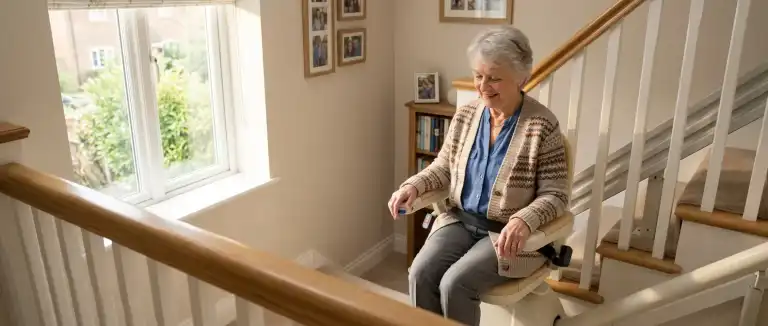 UK: The Disabled Facilities Grant (DFG)
In the United Kingdom, the primary route for funding home adaptations like stairlifts is the Disabled Facilities Grant (DFG). This is a government-backed grant administered by local councils.
Maximum grant amounts differ by region:
- England: Up to £30,000
- Wales: Up to £36,000
- Northern Ireland: Up to £25,000
- Scotland: The Scheme of Assistance applies instead, with funding amounts set by individual local councils - often covering 80-100% of costs.
Both homeowners and renters can apply. Renters will need written permission from their landlord. For adults, the grant is means-tested based on household income and savings. However, applications made on behalf of children under 18 are not means-tested at all.
Who Qualifies for the DFG?
To be considered for the Disabled Facilities Grant, applicants generally need to meet the following criteria:
- Have a recognized disability, long-term illness, or age-related mobility issue
- Plan to remain in the property for at least five years
- Pass a means test (adults) - those receiving Universal Credit, Pension Credit, or Housing Benefit often qualify automatically for full funding
It's worth noting that savings above £6,000 may reduce the grant amount for adult applicants. If you're unsure where you stand, your local council's housing or adult social care team can walk you through the assessment process.
How to Apply for the DFG: Step by Step
- Contact your local council - Reach out to the adult social care or housing adaptations department.
- Occupational Therapist (OT) assessment - The council will arrange a home visit to confirm that a stairlift is appropriate for your needs.
- Means test - Submit financial details if required.
- Get written quotes - You'll typically need at least two quotes from different suppliers.
- Wait for a formal decision - Councils must respond within six months.
⚠️ Important: Do not begin any installation work before receiving written grant approval. Starting early will disqualify your application.
US: Federal & State Programs for Stairlift Assistance
In the United States, funding options are more fragmented - they depend on your state, income level, insurance plan, and veteran status. Here's a breakdown of the most widely available programs:
- Medicaid HCBS Waivers: Standard Medicaid doesn't typically cover stairlifts, but most states offer Home and Community-Based Services (HCBS) waivers that fund home modifications - including stairlifts - when they help someone avoid being placed in a nursing facility.
- VA HISA Grants: Veterans can apply for Home Improvements and Structural Alterations (HISA) grants through the Department of Veterans Affairs, which provide up to $6,800 for medically necessary home improvements.
- SAH & SHA Grants: Veterans with service-connected disabilities may qualify for Specially Adapted Housing or Special Housing Adaptation grants, which cover more substantial home modifications.
- Medicare Advantage (Part C): Some private Medicare Advantage plans include supplemental home modification benefits. This varies by plan and insurer, so checking your specific policy is essential.
- HUD Community Development Block Grants (CDBG): The Department of Housing and Urban Development distributes these grants to local governments, many of which use them to fund home modifications for low-income seniors.
Eligibility Considerations in the US
Eligibility rules differ significantly depending on the program:
- Medicaid HCBS Waivers require meeting strict low-income thresholds and a determination that without the modification, the individual would require nursing home care.
- VA Programs are available to enrolled veterans. Some programs require a service-connected disability; others are based purely on medical necessity.
- Local and state grants often prioritize adults aged 65 and over with incomes below local median levels.
How to Start the Application Process in the US
- For Medicaid: Contact your state Medicaid office and ask specifically about HCBS waivers for home modifications. A doctor's prescription stating the stairlift is medically necessary will strengthen your application.
- For VA benefits: Apply through va.gov or visit your nearest VA medical center's rehabilitation or prosthetics department to request a home assessment.
- For local grants: Contact your local Area Agency on Aging (AAA). They maintain up-to-date information on active funding pools in your county and can connect you with the right programs.
Additional Financial Relief Options
If you don't qualify for a grant, there are still ways to reduce the financial burden:
- UK: People with chronic illnesses or disabilities may be exempt from VAT on mobility equipment, including stairlifts. Charitable organizations such as the Edward Gostling Foundation or SSAFA (for veterans and armed forces families) also offer means-tested grants.
- US: Many stairlift suppliers offer 0% interest financing plans. Purchasing a certified reconditioned stairlift is another option, with potential savings of up to 50% compared to a new unit.
Finding the Right Program for Your Situation
The range of available programs can feel overwhelming at first. But the key to navigating this landscape is knowing which body to contact first - and that depends on where you live, your age, income, and whether you or a family member has served in the military.
Whether you're looking for support for yourself or helping an elderly relative explore their options, understanding the grant landscape is the first step toward a safer, more accessible home.
Eligibility rules, application processes, and funding availability can vary significantly by region and individual circumstance. Searching for programs specific to your location - whether that's a particular county, state, or local council area - is the most reliable way to find what you actually qualify for. Exploring those details can make a meaningful difference in what financial support becomes available to you.
Everyone's situation is different. Taking the time to research the options available in your area is one of the most practical steps you can take toward making your home safer and more accessible - without shouldering the full cost alone.