
Your Car Insurance Is Costing You Too Much — Here's Why
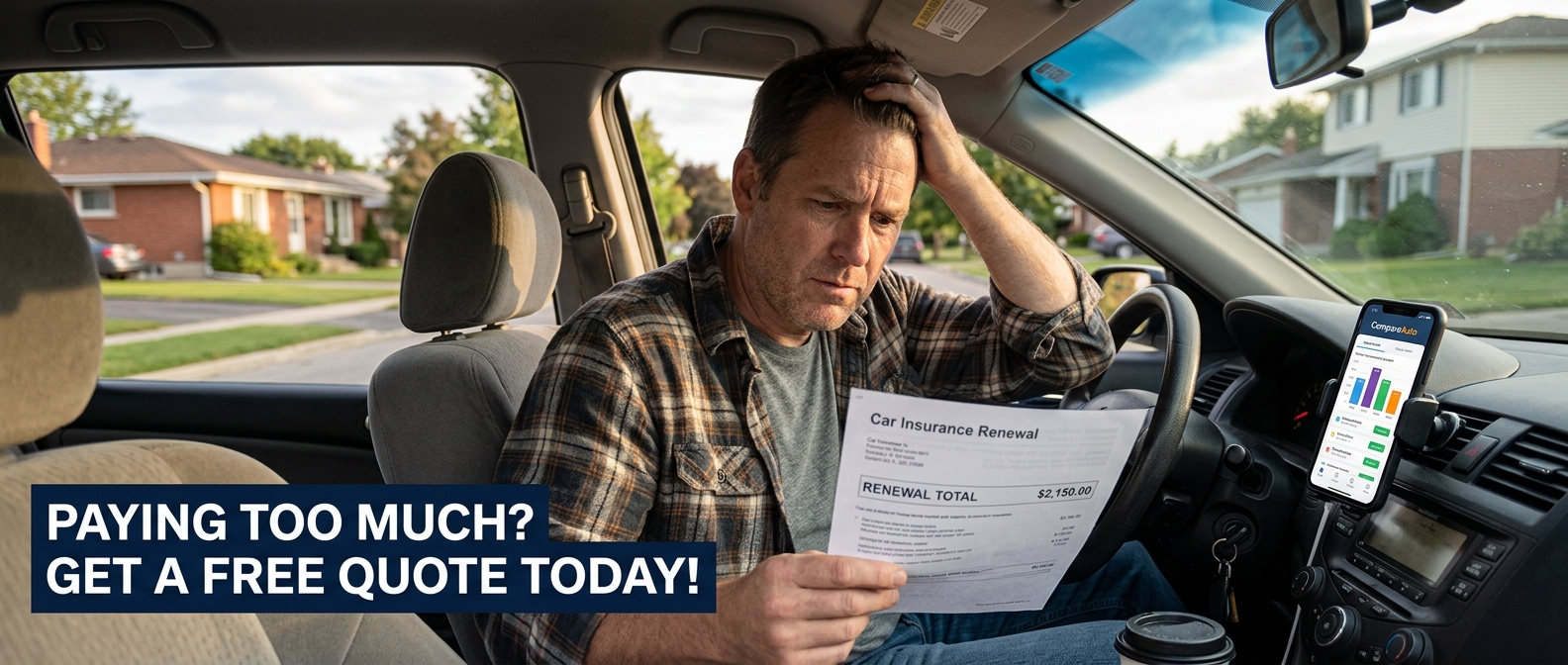
You renewed your car insurance, and somehow the bill went up - again. You didn't file a claim. You didn't get a ticket. Yet your premium climbed anyway. If that sounds familiar, you're not alone. In 2026, millions of drivers across the US and Canada are paying significantly more than they should - simply because they don't know what's actually driving their rate up, or how to fight back.
Why Premiums Keep Going Up (Even When You're a Safe Driver)
Insurance companies don't raise your rate just because of your behavior. They price based on broad trends that affect their bottom line:
- Rising repair costs: Modern vehicles are packed with sensors, cameras, and tech that makes even minor fender-benders expensive to fix.
- Surge in auto theft: Particularly in Canadian cities, vehicle theft rates have skyrocketed, pushing premiums higher for everyone - even those who've never had a car stolen.
- Weather-related claims: Floods, hailstorms, and wildfires have created a wave of insurance payouts across North America, and insurers pass that cost to policyholders.
- Inflation across the board: Labor costs, parts, and medical expenses have all increased, and your premium reflects that.
In short: the system is designed to make you pay more unless you actively take steps to push back.
The #1 Mistake Drivers Make: Staying Loyal
Insurance loyalty is a myth. Staying with the same insurer year after year rarely rewards you - in fact, many companies rely on customer inertia to quietly raise rates on renewals. Studies consistently show that drivers who shop around and switch insurers save hundreds of dollars per year. Yet most people never compare quotes.
The fix is simple: get at least three to five competing quotes before your policy renews. The savings can be dramatic - sometimes $400 to $800 annually for identical coverage.
Quick Wins That Can Lower Your Bill Right Now
You don't need to overhaul your entire policy to see savings. Start with these moves:
- Raise your deductible. Moving from a $250 to a $1,000 deductible can cut your monthly premium by 15-30%. Just make sure you have that amount set aside in savings.
- Bundle your policies. Combining home and auto insurance with the same provider typically saves 5-25% on your auto premium.
- Ask about hidden discounts. Many insurers offer discounts for good students, defensive driving courses, paperless billing, and even certain professions - but they don't always apply them automatically.
- Try usage-based insurance. If you work from home or don't drive much, telematics or pay-per-mile programs can significantly reduce what you pay each month.
When to Drop Coverage You Don't Need
Carrying full comprehensive and collision coverage on an older, paid-off car can be a waste of money. A good rule of thumb: if your annual premium for those coverages exceeds 10% of the car's current market value, it may be time to drop them and keep only the required liability coverage.
In Ontario, new 2026 reforms even allow drivers to opt out of certain previously mandatory coverages - a meaningful option for those looking to trim costs on older vehicles.
How Your Credit Score Affects Your Rate (US Drivers)
In most US states, your credit-based insurance score plays a direct role in what you pay. Insurers have found a statistical link between credit health and the likelihood of filing claims - so drivers with lower credit scores often pay considerably more.
Improving your credit score over time - through on-time payments and reducing debt - can gradually move you into a lower-cost tier. Some drivers have seen their rates drop by hundreds of dollars simply by improving their credit profile. Note: this practice is banned in states like California and Massachusetts.
Don't File Small Claims - It Can Backfire
It's tempting to use your insurance for every incident, but filing a small claim can raise your premium by up to 50% for three to five years. If the repair cost is close to your deductible, or only a few hundred dollars above it, you're often better off paying out of pocket and protecting your claim-free record.
Where Rates Vary Most - Location Matters
Where you live has a massive impact on what you pay. In the US, states like Florida, Louisiana, and Nevada rank among the most expensive - while Vermont and Maine are among the cheapest. In Canada, Ontario and Alberta consistently top the list for highest premiums, while Quebec remains the most affordable province thanks to its hybrid public-private insurance model.
If you've recently moved - or are planning to - it's worth researching the insurance landscape in your new area before you go.
The Best Rate Is the One You Actively Search For
The drivers who pay the least for car insurance aren't the ones who got lucky - they're the ones who took time to compare options, understand their coverage, and ask the right questions. Whether you're in the US or Canada, the most powerful tool you have is information.
Rates, providers, and available discounts vary significantly by state and province. The best car insurance deal for your specific situation - your zip code, driving record, vehicle type, and budget - depends on localized factors that a simple average can't capture. Searching for options specific to your area is often the fastest way to uncover real savings.
Take the Next Step
Understanding why your premiums are high is the first step - but acting on that knowledge is what actually saves you money. Whether you're looking to compare providers, explore new coverage options, or understand what discounts you qualify for, the answers are out there. Take a few minutes to search for car insurance options in your specific area. The difference in your next bill might surprise you.