
Baby Supply Assistance Programs in the USA: 2026 Guide
Every new parent knows the feeling: the crib is ready, the nursery is painted, but the bank account is shrinking faster than expected. Diapers, formula, and baby food add up quickly, and for many families in 2026, covering these basics month after month has become a genuine source of stress.
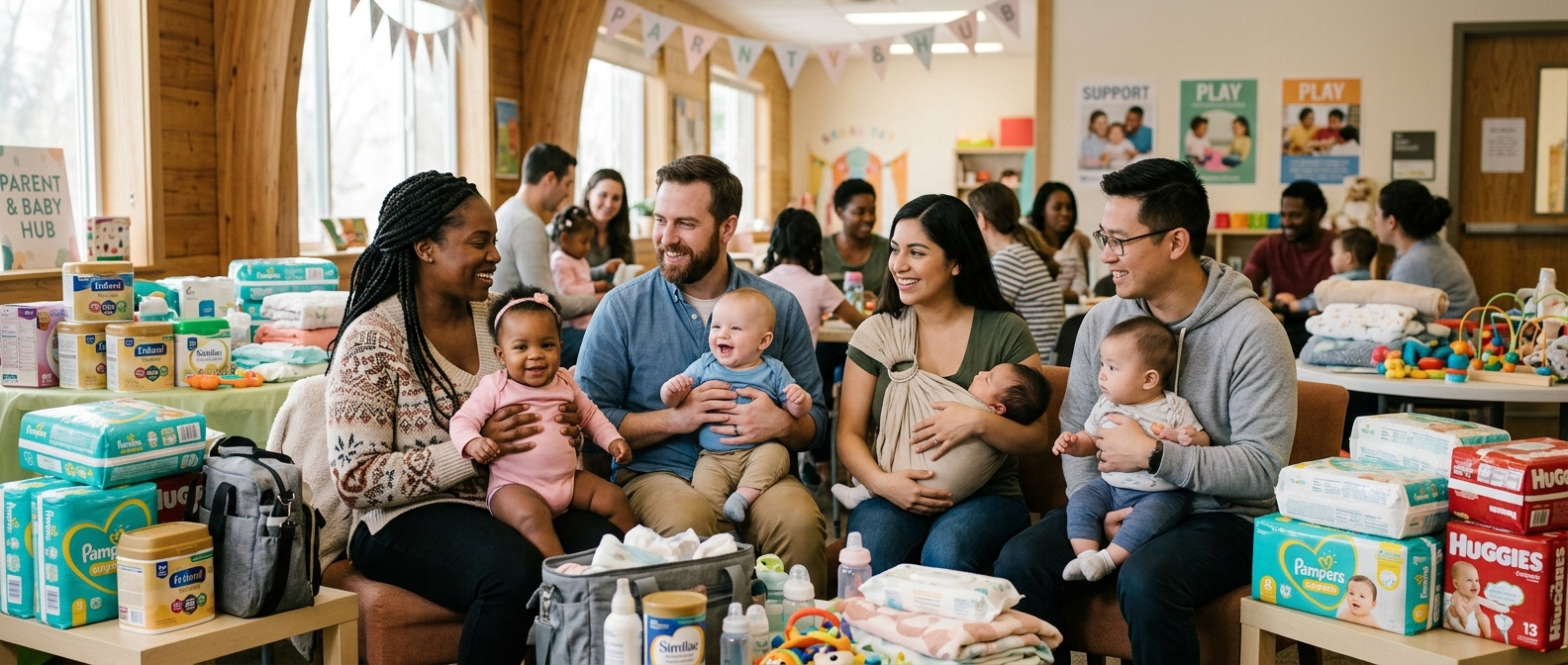
The good news is that the United States has a wide network of assistance programs built specifically to help. Some are federal, some are run by states, and others come from nonprofits working quietly in local communities. Together, they form a safety net that many families don't even know exists until they start looking.
Why Baby Costs Catch So Many Families Off Guard
Before a baby arrives, most parents budget for the obvious: a crib, a car seat, maybe a stroller. What surprises many is the recurring cost of consumables. Diapers alone can run into hundreds of dollars a year, and formula isn't far behind.
Unlike one-time purchases, these are ongoing expenses that don't pause during a tight month. That's exactly why assistance programs exist - to smooth out the financial pressure during the most demanding early years.
The Federal Backbone: WIC
The Women, Infants, and Children program, better known as WIC, remains the largest support system for pregnant women, new mothers, and children under five. It provides:
- Free infant formula, including specialized therapeutic formula with a doctor's note
- Baby food once a child is ready for solids
- Breastfeeding support, including free breast pumps and lactation counseling
- Additional food benefits for nursing mothers
WIC eligibility and exact food packages can vary by state, which is part of why so many parents end up searching for details specific to where they live.
The Diaper Gap Nobody Talks About
Here's something many new parents don't realize: neither SNAP nor WIC benefits can be used to buy diapers. That gap has created a whole separate ecosystem of diaper banks and community programs designed to fill it.
Local diaper banks, often connected through the National Diaper Bank Network, distribute diapers to families in need across the country. Some newer initiatives have also emerged at the state and hospital level, offering starter supplies of diapers to new parents regardless of income.
Formula Assistance Beyond WIC
Not every family qualifies for WIC, and even those who do sometimes need extra support. A few common paths families use:
- SNAP benefits, which can be used for formula and baby food purchases, both in-store and online
- Manufacturer loyalty programs that mail coupons, rebates, or samples directly to enrolled parents
- Local food pantries connected to national hunger-relief networks, many of which stock infant formula and baby food
It's worth calling ahead to a local pantry, since infant supply inventory can vary week to week.
Cash-Based Help Matters Too
Not all assistance comes in the form of formula or diapers directly. Programs like TANF (Temporary Assistance for Needy Families) provide cash assistance that families can use however they need - including on diapers, wipes, or baby clothes, items that in-kind programs often can't cover.
Some states and nonprofits have also piloted direct cash allowance programs for pregnant and new mothers, giving families flexibility to buy exactly what their household needs most that month.
Medical Coverage: The Often-Overlooked Piece
Medicaid and CHIP (Children's Health Insurance Program) cover pregnancy-related care, childbirth, and pediatric visits for income-eligible families. This coverage matters because medical bills, not just supplies, are one of the biggest financial shocks new parents face.
Why "One Size Fits All" Advice Falls Short
Here's the challenge: assistance programs differ significantly by state, county, and even hospital system. What's available to a new parent in one city might look completely different a hundred miles away. Income thresholds, application steps, and even which diaper brands or formula types are covered can shift based on local rules.
That's why generic advice only goes so far. Real answers come from checking what's currently active in your specific state, your county's local diaper bank network, or the WIC office nearest to you.
The Search Intent Pivot
While the programs above outline the national landscape, the details that actually matter - eligibility rules, application deadlines, local diaper bank locations, and which formula brands are covered under your state's WIC contract - depend entirely on where you live. Many parents find it useful to look into state-specific WIC guidelines, nearby diaper bank directories, and current formula assistance options in their area to see exactly what applies to their household today.
A Simple First Step
If you're not sure where to start, dialing 2-1-1 connects you to a free, confidential referral service available in most areas. It can point you toward local diaper banks, WIC offices, food pantries, and community action agencies based on your zip code.
Final Thoughts
Raising a baby is expensive, but no family has to navigate every cost alone. Between federal programs, state initiatives, and community nonprofits, there are more resources available in 2026 than many parents realize. Taking a little time to explore what's available in your area can make a meaningful difference in those early, demanding months.